Join a Group Kilimanjaro Climb

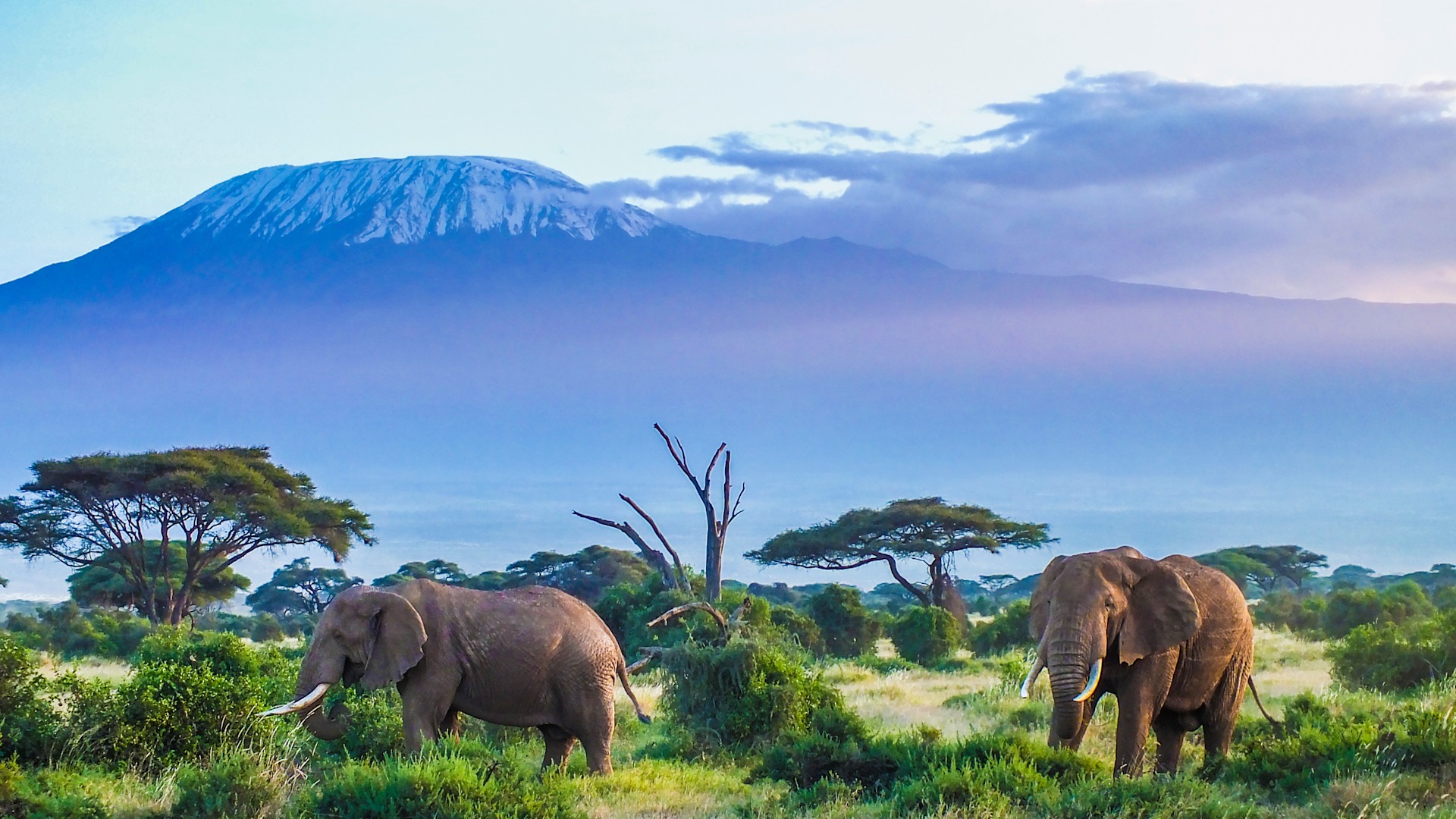
Joining a group Kilimanjaro climb is not the same as booking your own team. It's cheaper. It's more social. For the right person, a solo traveller or someone whose budget doesn't stretch to a fully private expedition, it might be exactly the right way to climb this mountain.
But it comes with real trade-offs. The pace is set by the slowest person. The guide's attention is divided. You don't choose your tent neighbours. On summit night at 5,000 metres, when someone in your group starts struggling, the whole team dynamic shifts around them.
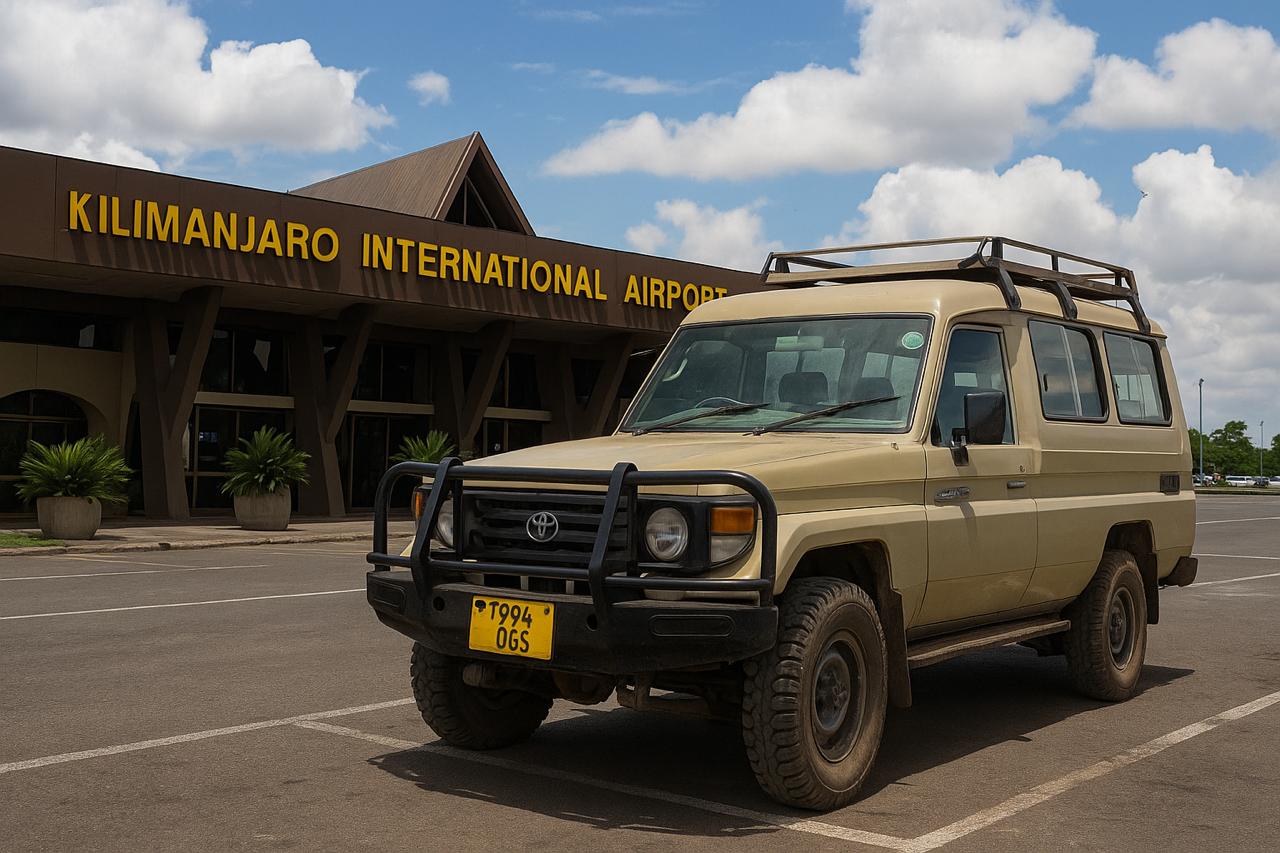
We've been running transfers and tours from Moshi for years. We've picked up hundreds of climbers from the Mweka Gate - beaming, shattered, sometimes both - and we've heard every version of the group climb. This guide is what we'd tell a friend who was thinking about doing it.
How It Works
What a Group Kilimanjaro Climb Actually Means
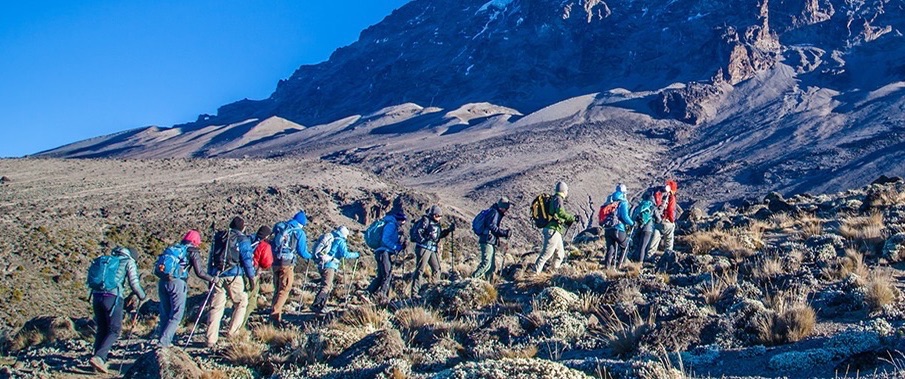
When you book a group climb or a join-in departure, you are buying spots on a fixed itinerary that already exists, operated by a local tour company out of Moshi or Arusha. The guide, porters, cook, camping equipment, and park permits are all pre-arranged. You add yourself and your gear to the group.
The other people on that climb could be from anywhere. We've seen groups of six with a German couple, two solo Americans, an Australian nurse doing her third African summit, and a retired schoolteacher from the Netherlands doing this as a 60th birthday gift to herself. That mix is part of what makes these climbs memorable. By the time you've shared a mess tent through three days of rain on the Machame route, you know each other in the way that only shared hardship creates.
“By the time you've shared a mess tent through three days of rain, you know each other in the way that only shared hardship creates.”
What you're not getting is a guide whose only job is you. You're not setting the pace based on your acclimatisation needs alone. You're not stopping when you want to stop or pushing when you feel strong enough to push. These things matter on a mountain with real altitude risk. They're not dealbreakers, but understanding them clearly before you commit matters.
Choose Your Route
Routes: Which Ones Run as Group Departures
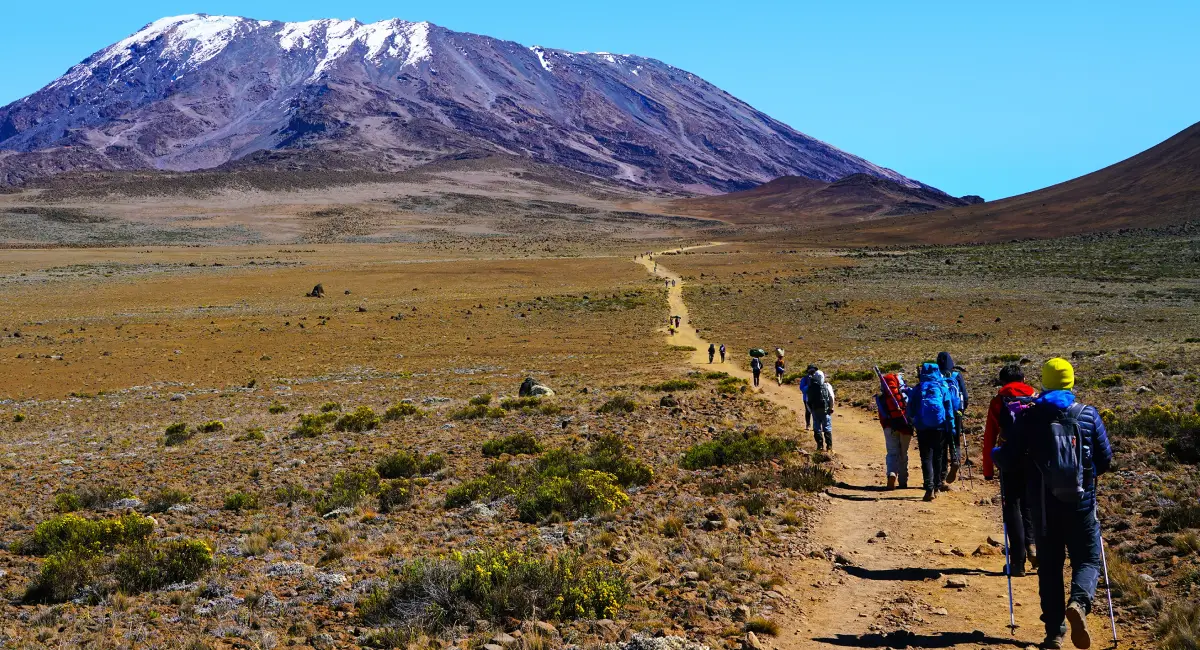
Not every Kilimanjaro route is equally common for group departures.
1. Machame
Most Group Departures
Duration 7 days
Approach Southwest
Acclimatisation Very Good
Group Departures Weekly (peak season)
Tanzanians call it the Whiskey Route. Marangu, for context, is the Coca Cola route. Draw your own conclusions about which one earns the nickname.
Machame is harder than Marangu, with more elevation gain and loss as you work around the southern circuit, but the acclimatisation profile is significantly better. Most operators run fixed group departures on Machame on a near-weekly basis during peak season. If you're joining a group climb with no other preference, this is probably the route your departure will be on. For a first-time climber, it's a solid default.
2. Lemosho
Premium Group Option
Duration 8 days
Approach West
Acclimatisation Excellent
Group Departures Less frequent
Better scenery, better acclimatisation, fewer people in the first two days before the routes converge at Shira Plateau. Group departures on Lemosho exist but run less frequently than Machame. You may need to be flexible on your start date, or book further in advance to catch a departure.
Costs are slightly higher because of the longer duration, but Lemosho is widely considered the best combination of route quality and summit success rate. If budget allows and you can be flexible on dates, this is the one to go for.
3. Marangu
Budget Option · Hut Accommodation
Duration 5 or 6 days
Style Out and back
Acclimatisation Less Forgiving
Group Departures Frequent
The only route with hut accommodation instead of tents, which keeps costs lower. The acclimatisation profile is less forgiving - you gain altitude faster with less of the "climb high, sleep low" pattern that helps your body adjust. The summit success rate reflects this.
Plenty of people summit via Marangu every week. If your budget is tight and you're physically fit with no history of altitude issues, it's a reasonable choice. If you're uncertain about altitude, pay for more days on a different route. The cost saving is not worth a failed summit.
4. Rongai
The Quiet Option
Duration 6 or 7 days
Approach North (Kenya border)
Acclimatisation Good
Group Departures Exists, less common
The Rongai Route is Drier, quieter, and genuinely beautiful in a different way from the southern routes. Group departures exist, particularly from operators who run scheduled tours for solo travellers, but they're less common than Machame or Lemosho.
Worth asking about specifically if you prefer a less crowded experience and are happy to wait for the right departure date. The northern approach gives you a different perspective on the mountain than most climbers ever see.
5. Northern Circuit
Private Climbs Only
Duration 9 days
Style Full circumnavigation
Acclimatisation Best on the mountain
Group Departures Not typically available
The longest and most remote route on Kilimanjaro. Nine days, a full circumnavigation of the mountain, the best acclimatisation profile available, and almost exclusively run as private climbs.
If you're interested in the Northern Circuit, you'll almost certainly need to book a private team. Contact us directly and we can put together a quote.
Honest Pricing
What It Costs and What Drives the Price
Group Kilimanjaro climbs range from around $1,200 to $2,200 per person for a complete package. That spread is wide and the difference matters. Here's what's actually inside the number.
| Item | Approx. Per Person | Notes |
|---|---|---|
| Park fees (TANAPA) | $730–$830 | Set by government, non-negotiable |
| Crew wages (guide, assistant, porters, cook) | $200–$280 | Where budget cuts are most dangerous |
| Meals and camping equipment | $100–$150 | Tents, mess tent, sleeping mats |
| Rescue fee / KINAPA emergency | $20–$30 | Non-negotiable for a legitimate operator |
| Transport and logistics | $40–$60 | Hotel to gate and back |
| Operator margin | $100–$200 | Varies by operator quality |
| Total | $1,190–$1,550 | Realistic floor for a well-run group climb |
Prices correct as of early 2026. Confirm directly with operators as these shift seasonally.
On Low Prices: Below $1,400 on any multi-day route, start asking hard questions. The park fees alone account for a large chunk of the total. An operator quoting significantly less is either cutting crew wages, reducing crew size, or skipping the rescue fee. All three affect your safety on the mountain. The porters who carry your bags sleep on that mountain in tents. They need to be paid properly and equipped properly. A cheap climb extracts the cost from them.
What Good Value Looks Like: A well-run group climb at $1,400 to $1,700 is fair. At $1,800 to $2,200 you're paying for better crew wages, better equipment, and a more experienced lead guide. Above $2,200 for a shared departure, you should be asking why it's still group-priced rather than private.
What Should Be Included
Should Be Included
All TANAPA park fees for the full route duration
Lead guide and assistant guide
Porters at the correct ratio
Cook and all meals on the mountain
Camping equipment: tents, mats, mess tent, dining equipment
KINAPA rescue fee and emergency evacuation coverage
Transfer from your Moshi hotel to the gate and back
Often Not Included - Check Explicitly
Hotel accommodation the night before and after the climb
Personal porter for your day pack on the mountain
Crew tips (budget $200–$250 per climber, paid in cash)
Personal gear and clothing
Travel insurance covering high-altitude evacuation
Diamox or other medications
The Number That Matters Most
Group Size and Crew Ratios
Most operators won't prominently advertise their maximum group size. You have to ask directly. The experience difference between a group of four and a group of twelve on the same route is enormous.
With four people, the guide can give everyone individual attention on summit night. With twelve, you're a convoy. Rest stops take longer. The tent area at camp is noisier. The guide is stretched across a group whose needs are all different at altitude.
Our Recommendation: Do not join a group departure where the maximum size exceeds eight climbers. Six is better. If the operator won't confirm a cap or says "it depends on demand," that's a signal worth taking seriously.
Questions to Ask Before You Book
What is the maximum group size for this departure?
Anything above 8 affects guide attention and summit night pace significantly.
How many guides and assistant guides will be on the climb?
You want at least one assistant guide for every 3 to 4 climbers. One guide for 8 people is not enough at altitude.
What is the total crew size and porter ratio?
Minimum: one porter per climber for baggage plus kitchen and camp porters. Surplus porters mean nobody is overloaded.
What happens if my flight is delayed and I miss the departure date?
Get the policy in writing. Can you join the next departure? What is the cost difference? This matters more than people expect.
Does your crew include a trained mountain medic or first-aid certified guide?
On a mountain with genuine altitude risk, this is not a luxury question.
What is explicitly included in the price and what is not?
Get a full itemised breakdown in writing before you pay a deposit. Ambiguous "all-inclusive" language covers a lot of gaps.
When to Go
Departure Dates and How to Book
Group Kilimanjaro climbs run most frequently during two windows: January through February and June through October. July and August are the busiest months. Departures fill early and prices are slightly higher. Book at least four to six weeks ahead for peak season. For July and August specifically, some operators fill their departures by April.
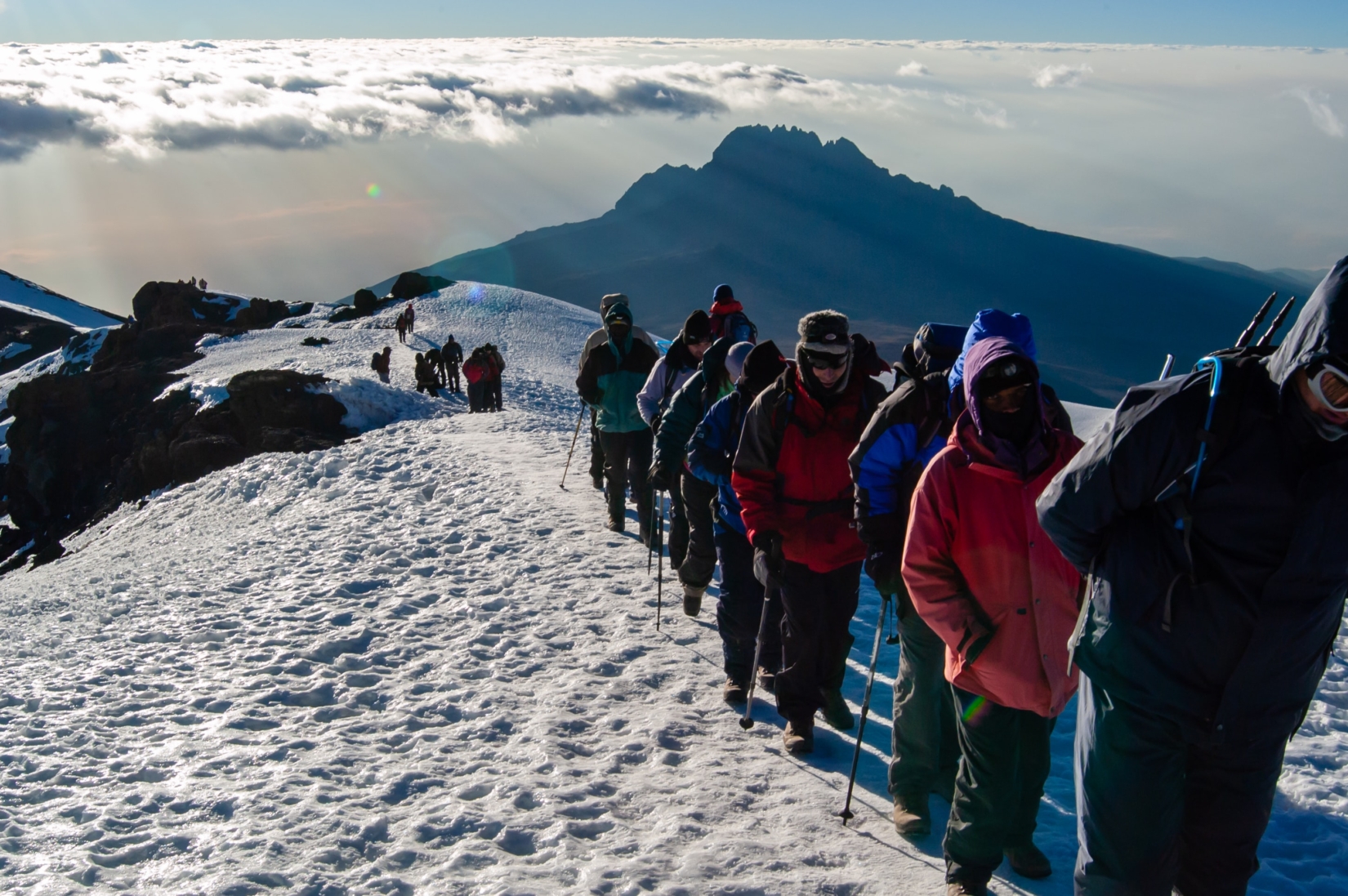
April and May are the long rainy season. Most operators don't run scheduled group departures during this period. During shoulder months - November, December, and March - group departures exist but may have fewer spots and smaller groups.
Booking Process in Practice: Most Moshi-based operators manage bookings through email and WhatsApp. You'll typically need a deposit of 30 to 50% to secure a specific departure date. Confirm the exact route, start date, maximum group size, crew breakdown, and cancellation policy in writing before you pay anything.
Don't assume you can arrive in Moshi and find a group departure leaving in two days during high season. Sometimes you can. During July and August, you often can't. Plan ahead or contact us directly to check current availability.
What to Pack
Gear: What to Bring, What to Rent in Moshi
You don't need to arrive in Moshi with a full expedition kit. Most gear for a Kilimanjaro climb can be rented in Moshi for reasonable daily rates. This matters if you're mid-trip and don't want to carry equipment through the rest of your travels.
Bring Your Own — Non-Negotiable
Boots. Rental boots are worn down and not broken in to your feet. Kilimanjaro is 8+ days of hiking at altitude. Blisters at 4,500 metres are a different category of unpleasant. Wear your boots for at least a month before the climb.
Sleeping bag. Summit night temperatures drop to minus 15 degrees Celsius or lower with wind chill. Rental bags exist but condition varies. If you run cold, bring your own rated to at least minus 10.
Base layers. Moisture-wicking base layers are very personal - fit and comfort matter more than anything. Don't rent these.
Trekking poles if you use them. You can rent these, but if you're pole-dependent, bring ones you know.
Rent in Moshi — Reasonable Option
Trekking poles
Gaiters
Sleeping bag liners
Down jackets
Duffel bags for your porter load
Waterproof trousers and jacket (if you don't own good ones)
Rental prices run roughly $3 to $8 per item per day. Ask your operator if they provide rental gear or can connect you with a reliable shop - most can.
The Part That Counts
Summit Night in a Group
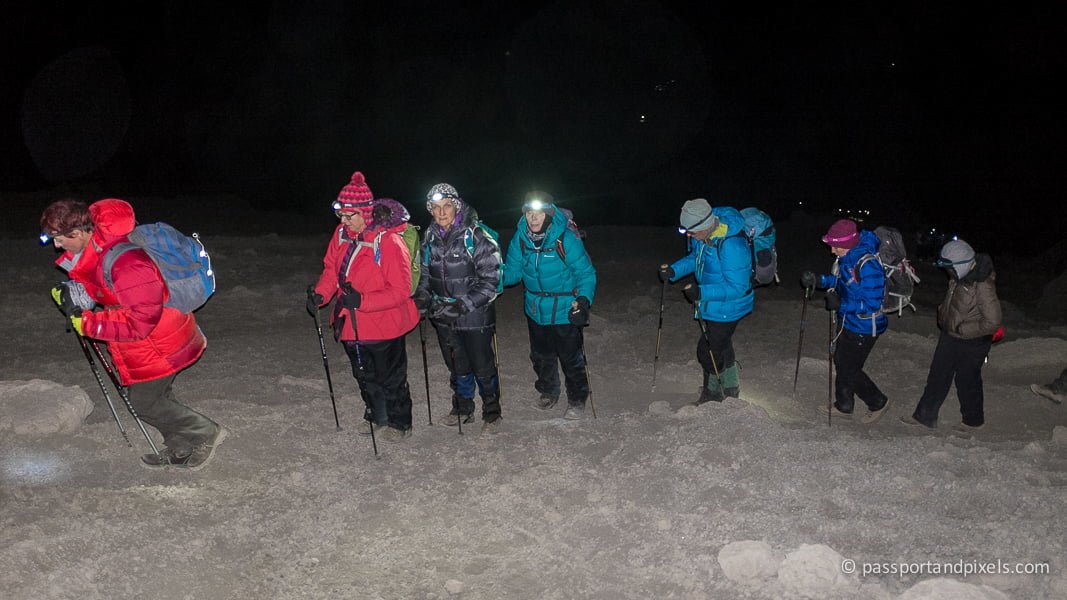
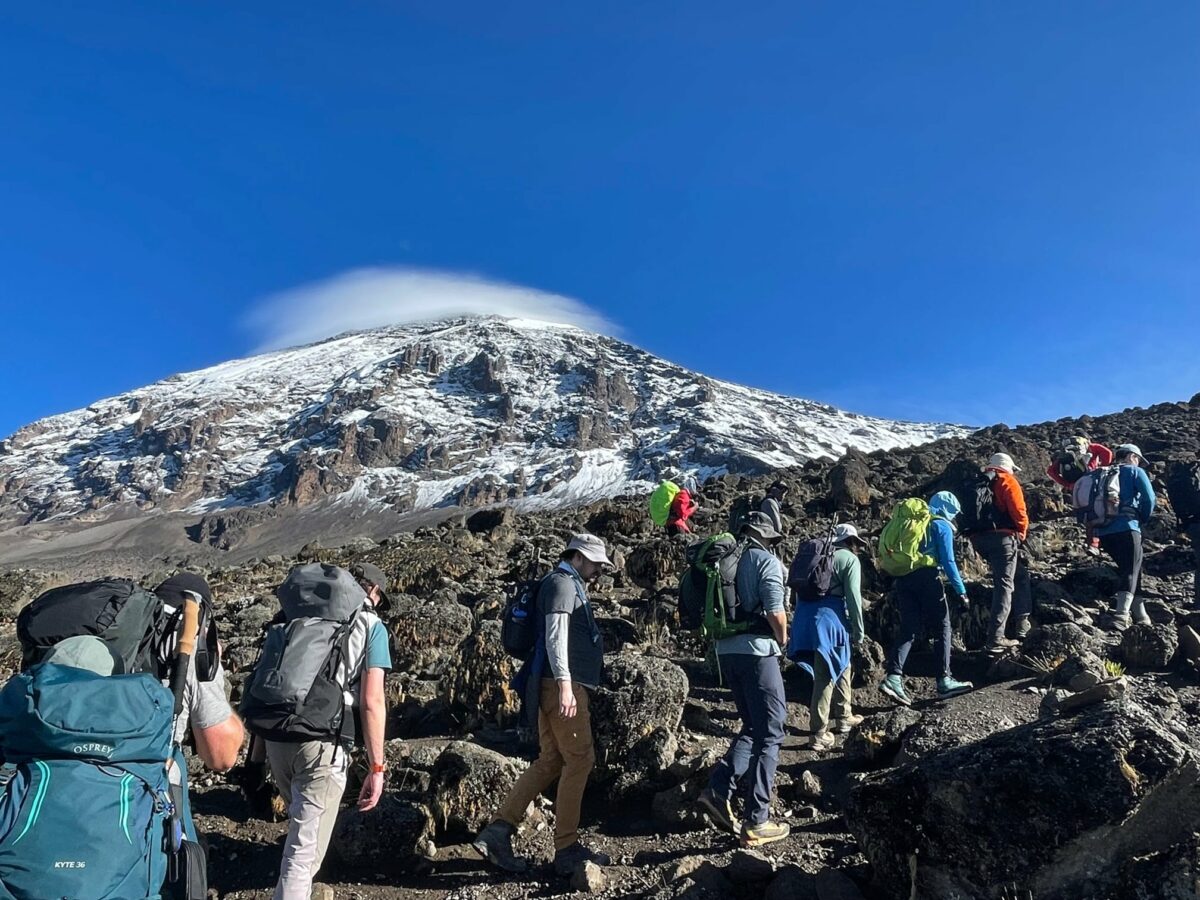
Summit night starts at midnight. Your guide wakes you at around 11:30pm. You eat something small, your appetite at altitude mostly gone but you eat anyway, and you start walking in the dark. The temperature has dropped to whatever it's going to be. Your headtorch makes a small circle of light on the scree in front of you. You can hear the breathing of the people ahead of you.
11:30pm
Wake-up call
Your guide knocks on the tent. You eat something small. You check your layers. You remind yourself why you're doing this.
~4,700m starting camp (Machame)
Midnight
Summit push begins
Single file. Pole pole - slowly, slowly. The guide sets a pace that looks almost comically slow from the trailhead. It doesn't feel slow at 5,500 metres. At that altitude, with that air, that pace is exactly right.
5am–7am
Stella Point — the crater rim
After five to seven hours of climbing, you reach the crater rim. Sunrise often happens here if your pace held. The worst of the climbing is behind you.
5,756m
+45 min
Uhuru Peak
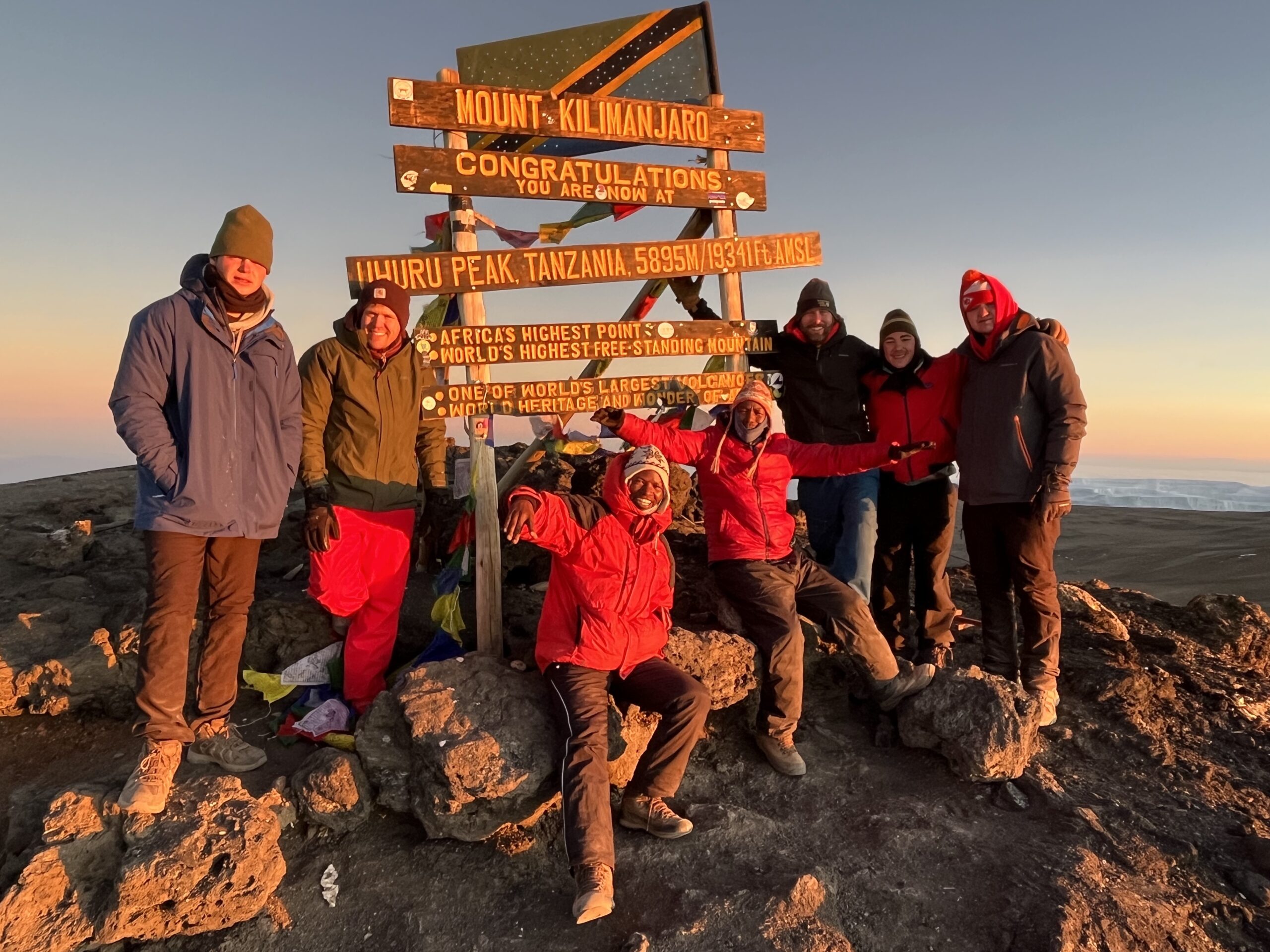
The actual summit. Flat-ish crater rim walk from Stella Point. People cry at Uhuru. Grown adults, experienced mountaineers, people who thought they'd be stoic about it. The altitude, the cold, the weeks of anticipation - it compounds into something. Let it.
5,895m — highest point in Africa
Descent
Three to five hours down to camp
Your knees will know about it the next day. In a group, you descend together. This is usually faster than going up but the loose scree means your concentration needs to hold.
In a group, you walk in single file. You match the pace of whoever is in front. If someone is struggling, the whole group waits. This is how it should be. But it means your summit night pace is collective, not individual. That's the trade-off that matters most on the night itself.
One Honest Thing
Altitude Sickness: What You Need to Know
Physical fitness does not protect you from acute mountain sickness. Youth doesn't protect you. Having summited other mountains doesn't protect you. The two things that most reduce your risk are choosing a longer route with better acclimatisation time, and not pushing through serious symptoms when they appear.
Normal Symptoms - Rest and Continue
Headache (responds to paracetamol)
Mild nausea and reduced appetite
Fatigue beyond what the exertion explains
Disrupted sleep at altitude
Descend Immediately - No Exceptions
Severe headache that doesn't respond to paracetamol
Vomiting that won't stop
Inability to walk a straight line (ataxia)
Confusion or altered consciousness
Breathlessness at complete rest
A good guide will tell you to descend when those serious signs appear, and will not let you continue. A guide under pressure from an operator to get clients to the summit at any cost might not be as firm. This is another reason why crew experience and operator integrity matter more than the headline price.
On Diamox: Diamox (acetazolamide) reduces altitude sickness risk for many people. It requires a prescription in most countries. Worth discussing with your doctor before you travel, not something to buy in a pharmacy in Moshi the day before your climb.
Logistics
The Night Before and the Day After
The Night Before Your Climb
Be in Moshi at least one full day before your start date. Two days if you're arriving from a long flight.
Attend your operator's pre-climb briefing - pack check, gear confirmation, route overview, departure time.
Eat something reliable and relatively light. Nothing too rich or spicy before a week on a mountain.
Set everything out the night before. Don't pack at 5am.
The Day After You Descend
Do not schedule a morning flight the day after descent. You will come down tired, emotionally raw, and physically done.
You need a bed, a long shower, a real meal, and sleep. In that order.
We pick up from the Mweka Gate and take you wherever you need to go. That's included in our service.
If your legs are announcing themselves, Usawa Wellness in Shanty Town has a deep tissue massage team and the only ice bath in Moshi. Book it for your recovery day.
Give yourself one full rest day in Moshi before flying. Your body has earned it.
Frequently Asked
Group Kilimanjaro Climb FAQ
How much does a group Kilimanjaro climb cost?
Group climbs run from about $1,200 to $2,200 per person for a complete package. Park fees alone account for $730 to $830 of that total. A well-run 7-day Machame group climb typically comes to $1,400 to $1,700. Below $1,400, start asking hard questions about crew wages and what's actually covered by the rescue fee.
What is the best route for a group Kilimanjaro climb?
Machame (7 days) runs the most frequent group departures and has a good acclimatisation profile. Lemosho (8 days) has better scenery and a higher summit success rate but fewer departures. Marangu (5 to 6 days) is the cheapest option but has the least forgiving altitude profile. For most first-time climbers joining a group, Machame is the default and a solid choice.
What crew-to-climber ratio should I expect?
TANAPA requires roughly one guide per group and one porter per climber for baggage. A well-run operation adds an assistant guide for every 3 to 4 climbers, a mountain medic or first aid-certified guide, and surplus porters so nobody is overloaded. Ask specifically: how many guides, how many assistants, and total crew size for a group of your size.
Does physical fitness protect you from altitude sickness?
No. Physical fitness does not protect you from acute mountain sickness. Youth, prior experience on other mountains, and cardiovascular fitness make no reliable difference. The two things that most reduce your risk are choosing a longer route with better acclimatisation time, and not pushing through serious symptoms when they appear. Discuss Diamox with your doctor before you travel.
Keep Planning
Book Direct · No Middleman
Tell Us Your Budget, Dates, and How Many People.
We work with a small number of Moshi-based operators whose crews, pricing, and ethics we can actually vouch for. Tell us your dates, your budget, and your experience level and we'll give you a straight recommendation, not a list of options.
We also handle your airport transfer, accommodation before and after the climb, and your recovery day in Moshi. One conversation covers all of it.
We're based at the foot of this mountain. We update this page when prices or regulations change. If something here doesn't match what an operator is telling you, reach out - we want to know.