Lake Jipe Tanzania: Moshi's Secret Bird Lake
Three hours south of Moshi, pressed against the Kenya border, sits a lake that almost nobody visits & that is the whole point.

~50km² Surface area 3.5 hrs From Moshi 200+ Bird species 0 Crowds
Most people who come to Moshi are here for the mountain. That is fair. Kilimanjaro is the reason. But if you have an extra day, or you are the kind of traveler who gets restless when every stop is on TripAdvisor, Lake Jipe Tanzania is worth your time.
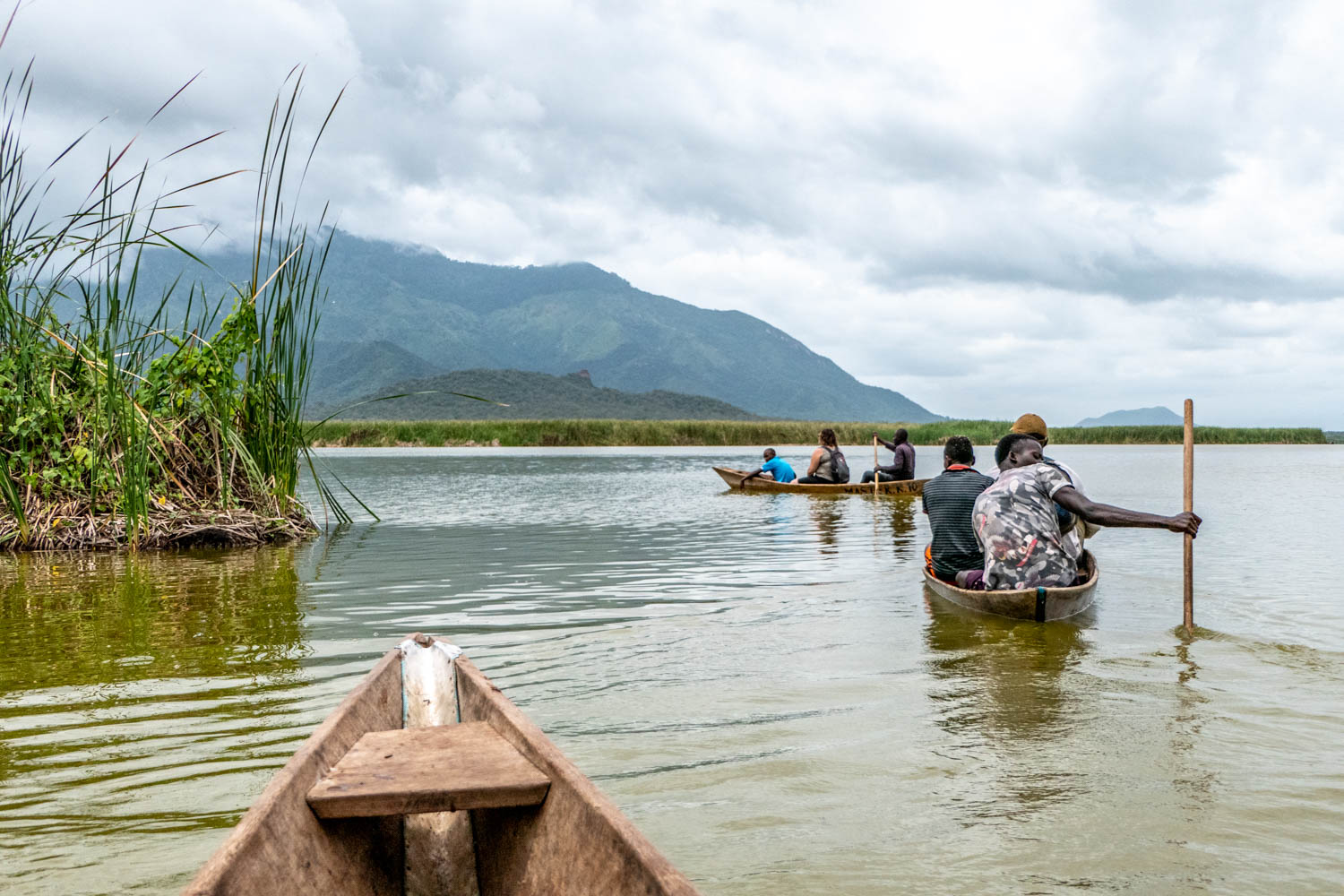
It is not a spectacle. It is not going to make your friends jealous with a photograph. What it is: a wide, flat, papyrus-fringed lake on the Tanzania–Kenya border, inside Tsavo West's extended ecosystem, with birds everywhere and almost no other visitors. I have been there twice. Both times I was one of maybe three or four people on the water.
That is rare. Genuinely rare. In East Africa, rare is worth paying attention to.
01 — The lake
What Lake Jipe Actually Is
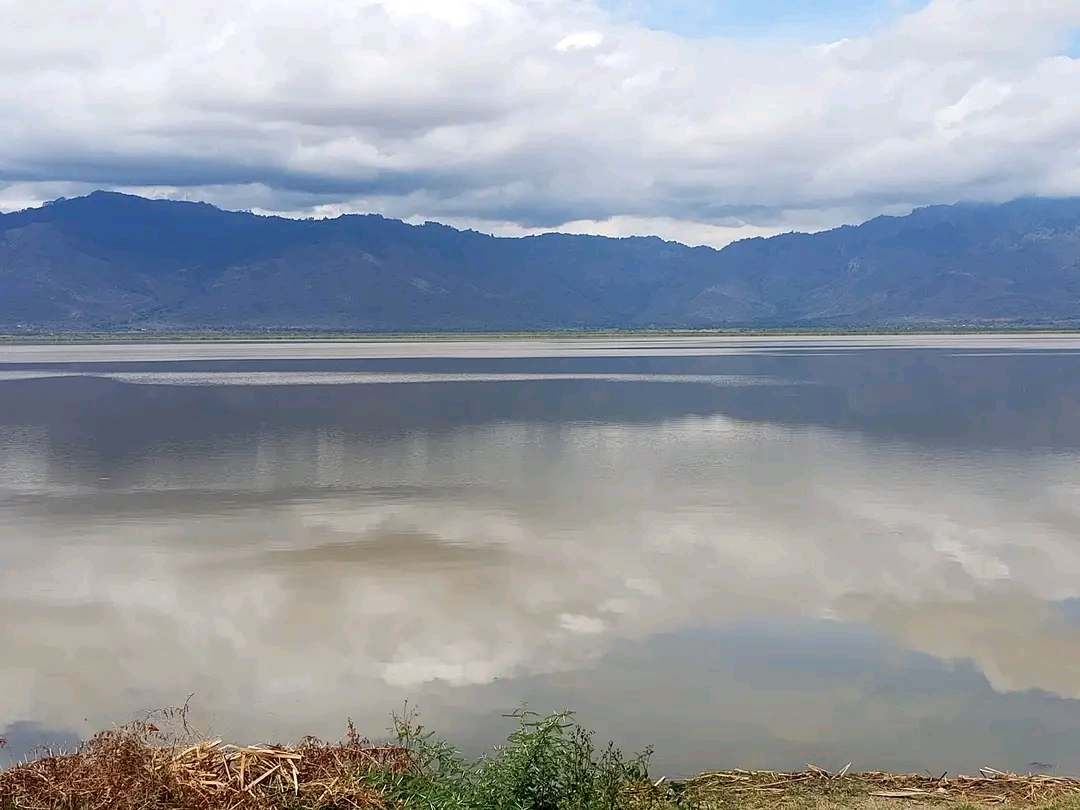
Lake Jipe sits in the Kilimanjaro Region, southeast of the mountain, near the small town of Kisiwani. It straddles the border. The southern half is Tanzania. The northern half is Kenya - and that northern Kenyan side bleeds into Tsavo West National Park. The lake sits at around 700 metres altitude, which means it is much hotter and drier than Moshi. That heat is part of what shapes the ecosystem.
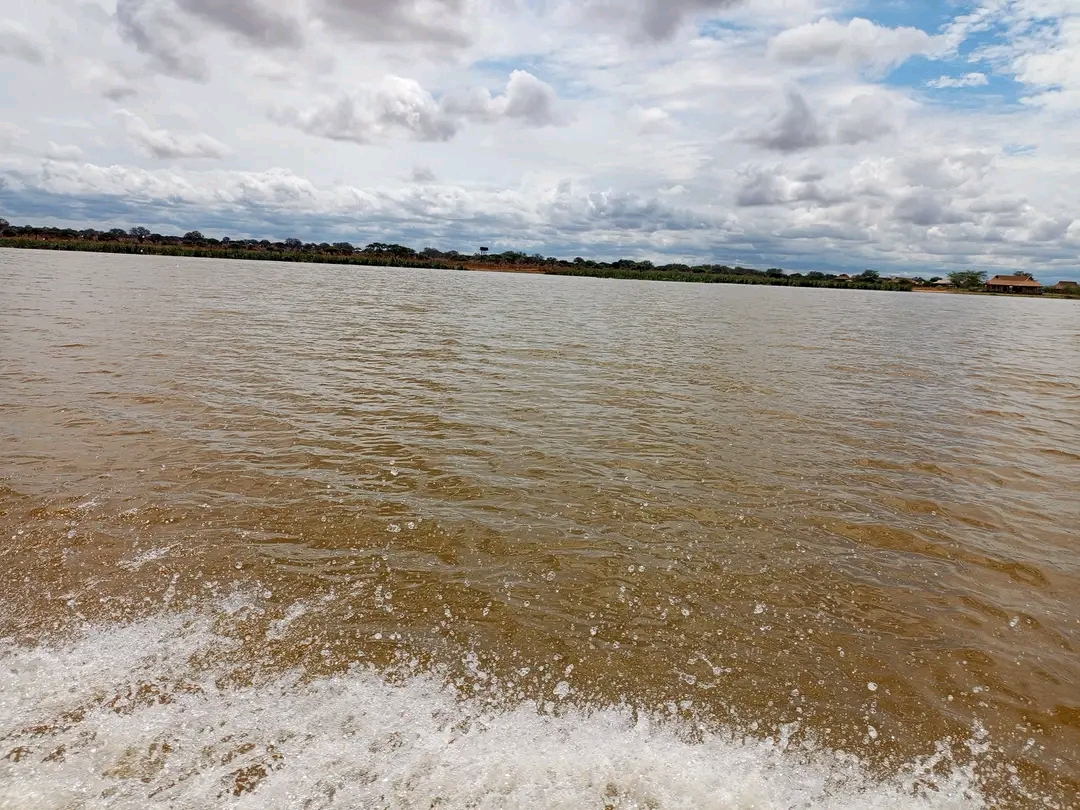
The lake is fed by underground springs from the Kilimanjaro massif. That is not a detail to skip. The same mountain people climb for a trophy photograph is the reason this lake exists and stays full through dry seasons when the land around it turns to dust. The water is shallow - rarely deeper than three or four metres. That shallowness is why the bird life is so dense. Wading birds can work the whole lake. Papyrus and water hyacinth grow thick along the edges.
“The same mountain people climb for a trophy photo is the reason this lake exists. Kilimanjaro feeds it underground.”
The Pare Mountains rise on the western side. To the east, the land flattens toward the Tsavo plains. The whole area sits inside the Njoro Corridor - a wildlife corridor that connects Kilimanjaro National Park with Tsavo. Elephants use it. Buffaloes use it. Lions pass through occasionally. The lake is not just a birding spot. It is a working ecosystem, and you are moving through it.
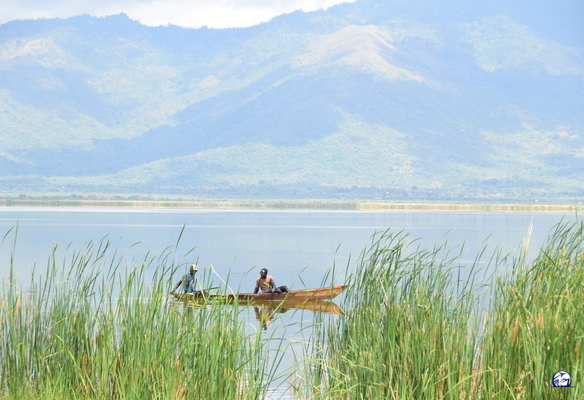
Administratively, Lake Jipe falls under the Same District. The nearest village, Jipe, has a small community of fisherpeople who work the lake with dugout canoes. These are the people you want to talk to when you arrive. They know the water. They know where the birds concentrate at different times of day. They will take you out if you ask right and pay fair.
02 — The gap
Why Almost No One Goes There
This question matters. If the lake is good, why is it empty of tourists?
Three reasons. First, the road. Getting to Lake Jipe involves a stretch of corrugated dirt track that takes longer than the distance suggests. The last section from Kisiwani to the lake edge is rough. You need a 4WD or a vehicle with decent clearance. Most tour operators in Moshi do not want to put their vehicles through it for a day trip that earns them less than a Kilimanjaro briefing.
Second, there is no obvious infrastructure to sell. No lodge with a wifi password. No reception desk. No package with a fixed price. The kind of traveler who books everything in advance through a Moshi tour company will not end up here. The lake rewards people who are comfortable figuring things out on the ground.
Third, the marketing machine has not found it yet. Materuni has a waterfall for the photographs. Arusha has the Serengeti as its halo. Lake Jipe has papyrus and flamingos and silence. That is not nothing. But it is harder to sell in a four-word caption.
⚠ Worth knowing: Some tour operators will tell you Lake Jipe is "not worth the drive." What they usually mean is that it is not worth their commission. Get a local driver from Moshi who knows the route. The difference in experience is significant.
All of that is also exactly why it is worth going. The barrier is logistical, not experiential. Once you are there, the lake delivers. The absence of crowds is not accidental - it is structural. And structural emptiness tends to last longer than temporary emptiness.
03 — The birds
The Birds - What You Will Actually See
Let me be straight about birding at Lake Jipe. This is not a place where you need to be a serious birder to enjoy it. But it helps to know what you are looking at. The lake has been recorded hosting over 200 species. In a single morning on a canoe, a patient observer will see 40 to 60 species without trying hard.
The papyrus edge is the productive zone. Stay close to it.
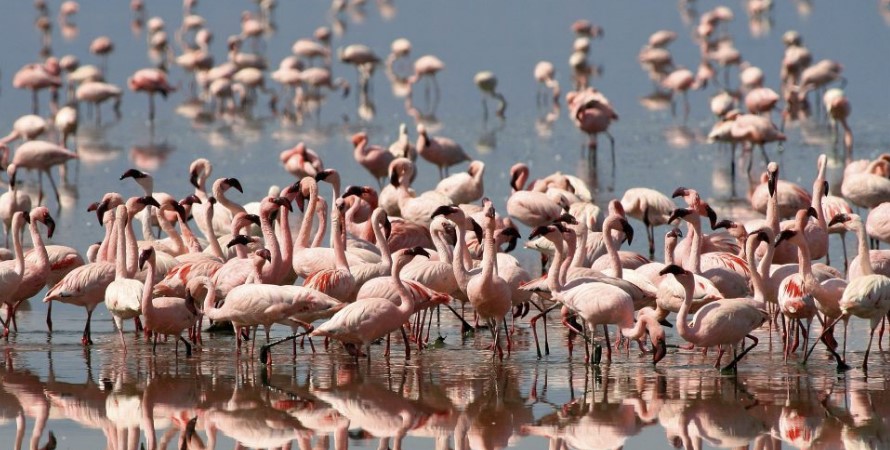
🦩 Lesser Flamingo (Phoeniconaias minor)
🦅African Fish Eagle (Haliaeetus vocifer)
🐦Papyrus Gonolek (Laniarius mufumbiri)
🦆African Pygmy Goose (Nettapus auritus)
🐦 Malachite Kingfisher (Corythornis cristatus)
🦤 Purple Heron (Ardea purpurea)
🐦 White-winged Tern (Chlidonias leucopterus)
🦅 Osprey (Pandion haliaetus - migrant)
The Papyrus Gonolek is the species serious birders come for. It is a papyrus specialist - black and red, loud, and deeply territorial. It does not stray from the reed beds. If you want it on your list, you need a canoe in the right section. The local fishermen know exactly where to find them. They have been hearing that call their whole lives.
Flamingos are seasonal. They concentrate on the lake during the rains and just after, when algae blooms and the feeding is good. October through January is the window. Outside of that, you will see individuals or small groups, but not the dense gatherings that make the lake photographs look almost unreal.
Best Time to Be on the Water
Early morning. This is not optional. Birds are active from 6am to about 9am. After that, the heat comes in hard. By 10am the shore birds have retreated and the papyrus stops moving. Go out at dawn. Be back for breakfast. You will have seen more in three hours than most visitors see in a full day anywhere else.
The African Fish Eagle will announce itself. You will hear it before you see it. That call - the one that has become the unofficial sound of African wilderness - is everywhere on Lake Jipe. It is the kind of thing that becomes background after a while, which tells you something about how dense the birdlife actually is here.
04 — The border
The Kenya–Tsavo Border Situation
People hear "border lake" and get cautious. I understand it. Let me explain exactly what the Tsavo - Tanzania border situation means in practice so you are not nervous about something that does not need nervousness.
The lake crosses the international border. The Tanzanian side is where you will operate from. You enter from the Tanzanian village of Jipe, pay any applicable fees on the Tanzanian side, and go out on the water from there. You are not crossing into Kenya. You are not entering Tsavo West from the Tanzanian side. The canoes stay on the lake, which is shared water.
“You are not crossing into Kenya. You are on a shared lake. The border runs through the water, not around it.”
Tsavo West National Park's boundary does touch the northern edge of the lake on the Kenyan side. What this means practically is that the wildlife corridor between Tsavo and Kilimanjaro is active. Elephants cross this corridor. Buffaloes graze the lake edges at dusk. Rangers from both sides patrol. It is a working conservation zone, not a conflict zone.
The reason to understand this is simple. The lake's ecological richness exists partly because of this cross-border protection. Tsavo is one of Africa's largest protected areas. Its influence extends south into this ecosystem. The birds, the mammals, the fish - they do not read border signs. The protection on the Kenyan side benefits what you see on the Tanzanian side.
▶ Practical border notes
You enter and exit from the Tanzania side only - no Kenya visa needed
Stay on the Tanzanian portion of the lake with your canoe
Do not approach the far northern shore - it is Kenyan territory and Tsavo's boundary
Rangers may pass on patrol boats - greet them, stay calm, carry your park receipt if fees were paid
Mobile signal is weak to absent - download offline maps before you leave Moshi
05 — Getting there
How to Get There From Moshi
This is the part that stops most people. It should not stop you. It is a drive, not an expedition.
By Private Vehicle (Recommended)
Moshi to Kisiwani is roughly 180 kilometres. Take the B1 south toward Same. From Same, head toward Kisiwani - ask locally, the signage is inconsistent. From Kisiwani, the dirt track to the lake takes 20 to 40 minutes depending on conditions. Total drive: 3 to 3.5 hours each way. You need a 4WD or high-clearance vehicle for the last section. Plan to leave Moshi by 4:30am if you want to be on the water at sunrise.
Hire a driver in Moshi who has made this trip before. Not every driver has. The road requires someone who knows which sections flood in the rains and how to read the track when there are no obvious markers.
By Public Transport (Possible, Not Easy)
A bus from Moshi to Same runs regularly. From Same, you can find a bajaj or motorcycle taxi toward Kisiwani. After that, you are relying on local goodwill and luck to cover the last stretch. It is doable if you speak enough Swahili and have a flexible mindset. It is not the right choice for a day trip.
Through a Moshi Operator
A small number of operators in Moshi include Lake Jipe in their portfolio - usually billed as a birding day trip or a Tsavo corridor excursion. These are worth considering if logistics stress you out. Expect to pay $80 to $150 per person depending on group size. The trade-off is convenience for cost.
⚠ Rain season note: The road into Lake Jipe becomes unreliable during the long rains (March–May). The track floods and some sections cut off. Plan your trip for June through February for the most reliable access. October to January is the sweet spot - post-short-rains, birds peaking, road passable.
06 — Logistics
Costs, Accommodation, and What to Pack
| Item | Cost (USD approx.) | Notes |
|---|---|---|
| Return hire car + driver (Moshi) | $80 – $125 | Negotiate directly, split with others |
| Canoe hire (local fisherman) | $8 – $15 | Per canoe, 2–3 hrs on water. Pay direct |
| Lake entry / conservation fee | $4 – $10 | Varies - confirm on arrival. Bring cash |
| Guide (local birding guide) | $10 – $25 | Optional but worth it for species ID |
| Overnight - Kisiwani guesthouse | $10 – $25 | Basic rooms, clean enough. Local rate |
| Meals (local food, Kisiwani) | $1 – $5 | Per meal, rice/beans/fish |
If you split a hired vehicle between three or four people, the cost per person drops to $25 to $35 for transport. Add the canoe and a guide and you are doing a full day at Lake Jipe for under $70 per person. That is exceptional value for something this rare.
Overnight or Day Trip?
Day trip is possible from Moshi, but tight. You leave before 5am and return after dark. It works. If you can add one night in Kisiwani, do it. Wake up at the lake, go out at dawn without the drive behind you, and take your time. The extra night costs almost nothing and changes the whole experience. There is a small guest house in Kisiwani - basic, clean, fan. Ask your driver. He will know it.
What to Bring
▶ Packing list - no luxury required
Binoculars - minimum 8x42, the lake is wide and birds are small
Light long sleeves and trousers - mosquitoes and sun are both real
Insect repellent with DEET - the papyrus edge at dawn bites
Wide-brim hat - the canoe has no shade
2 litres of water minimum - Kisiwani shops are limited
Tanzanian shillings in small denominations - no ATMs anywhere nearby
Offline maps downloaded - phone signal is unreliable past Same
Waterproof bag or dry sack - canoes and camera gear are a bad combination
Field guide to East African birds - Stevenson & Fanshawe is the standard
Malaria prophylaxis is not optional for this area. The lake sits at low altitude in a warm, wet environment. Talk to a doctor before you go. This is standard advice for any low-altitude Tanzania travel, but worth repeating for a lake destination where you are sitting in a canoe at dawn surrounded by water.
07 — The verdict
Go or Don't Go?
If you need comfort, itineraries, and guarantees - skip it. Lake Jipe is not for that kind of trip. The road is rough. The infrastructure is minimal. Nothing is packaged. You will figure things out when you get there.
If you want something that very few people have done, that costs almost nothing compared to the Kilimanjaro circuit, and that puts you in a genuinely wild ecosystem at the edge of two countries - go. Make the drive. Stay the night. Get out on the water before sunrise.
The Lake Jipe birds Tanzania count alone makes it worth it if you have any interest in wildlife. But even if you do not care about the flamingos or the Papyrus Gonolek, sitting in a canoe on a flat, quiet lake with the Pare Mountains on one side and the Tsavo plains opening up on the other - that is a specific kind of stillness. It does not happen often. Lake Jipe Tanzania is one of the few remaining places where it does.
I have been to a lot of lakes in East Africa. This one stays with you.