The Chagga Village Tour That Changed How I See Kilimanjaro
Coffee from 75-year-old trees, underground war caves, a 95-meter waterfall, and the best meal in Tanzania. This is what the mountain means to the people who live on it.

☕Traditional Coffee 🕳Ancient Caves 💧Materuni Waterfall 🍽Chagga Lunch
The Verdict in 30 Seconds
Bottom line: This is not filler between summit attempts. The Chagga Village Cultural Tour is one of the most authentic, memorable, and affordable cultural experiences in Tanzania. The coffee ceremony alone justifies the day. Add underground war tunnels, a stunning waterfall hike, and a traditional lunch that rivals anything in Stone Town, and you have something rare: a tour that delivers exactly what it promises and then keeps going.
Perfect for: Pre/post-climb days in Moshi | Cultural travelers | Families with kids 8+ | Coffee enthusiasts | Solo travelers wanting authenticity
Skip if: Limited mobility | Expecting passive tour-bus experience | Very tight on time
Why This Tour Exists (And Why It Matters)
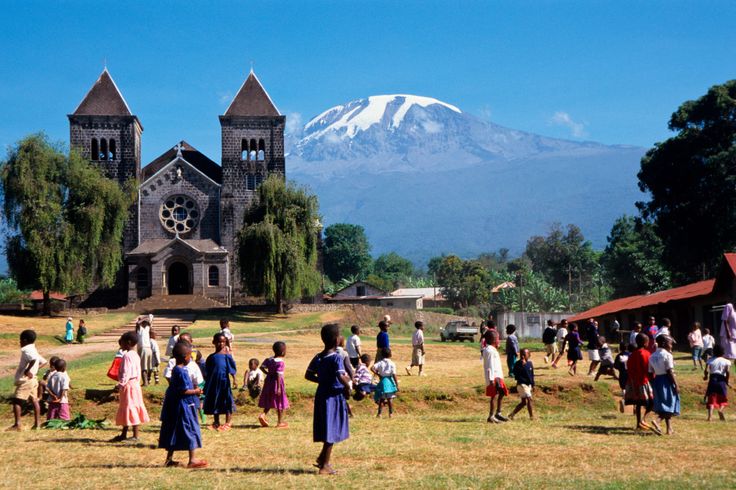
Most people who come to Moshi are here for the mountain. I was too. But someone mentioned the Chagga Village Cultural Tour - a full-day experience in the villages on Kilimanjaro's lower slopes. Coffee cultivation, ancient caves, a waterfall, and lunch cooked by the families who live there. I booked it expecting a pleasant morning.
I came back late afternoon having had one of the most memorable days of my entire Tanzania trip. The mountain was still there the next day. But the people, the stories, and the coffee made from 75-year-old trees on volcanic slopes - that was something different entirely.
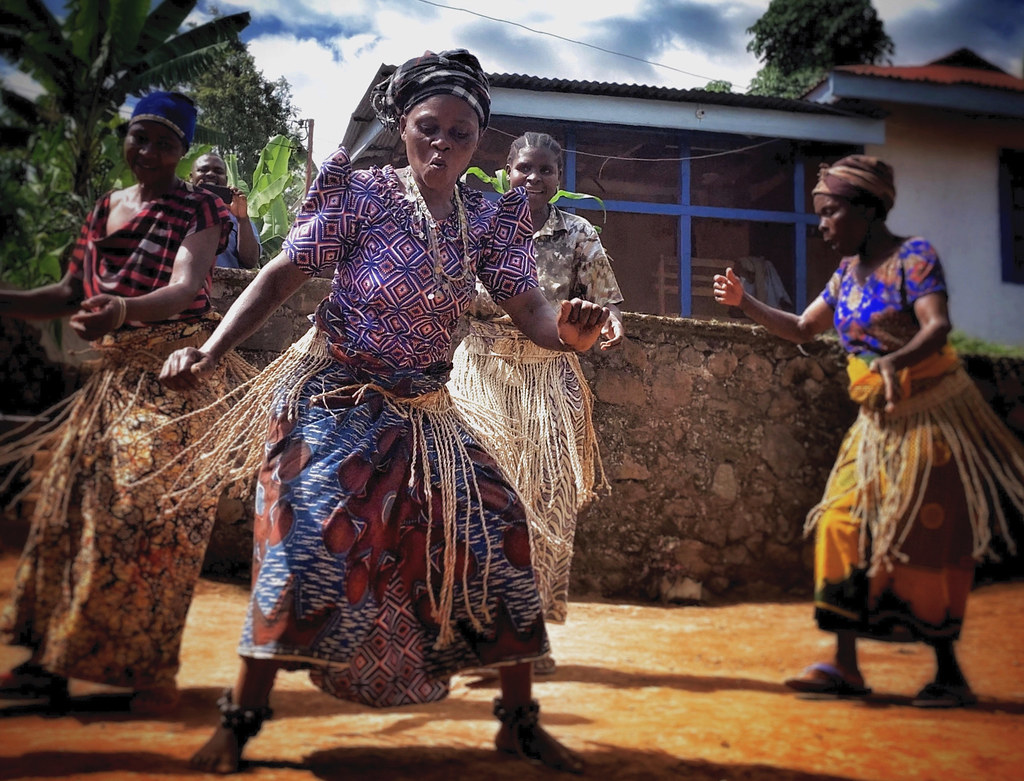
The Chagga are one of Tanzania's largest ethnic groups and the primary inhabitants of Kilimanjaro's slopes. They have farmed this mountain for centuries: growing coffee and bananas in terraced fields irrigated by canals carved from glacial meltwater, living above ground in villages and retreating underground into vast tunnel networks when Maasai raiders swept up from the plains below.
This tour takes you into that world. Not as spectators, but participants.
What You Actually Do
Coffee ceremony: Pick cherries → roast beans → grind by hand → brew in clay pot → drink what might be the best cup of your life
Underground caves: Walk through Chagga war tunnels where families hid from Maasai raids for weeks
Waterfall hike: 45-90 min through banana plantations to Materuni Falls (95m drop, swimmable)
Traditional lunch: Mtori stew, machalari, fresh fruit — cooked by your host family from their own land
Village museum: Chagga homes, artifacts, oral history from guides who know it personally
The Five Things That Make This Tour Exceptional
1. The Coffee Ceremony: 75-Year-Old Trees to Your Cup in 25 Minutes
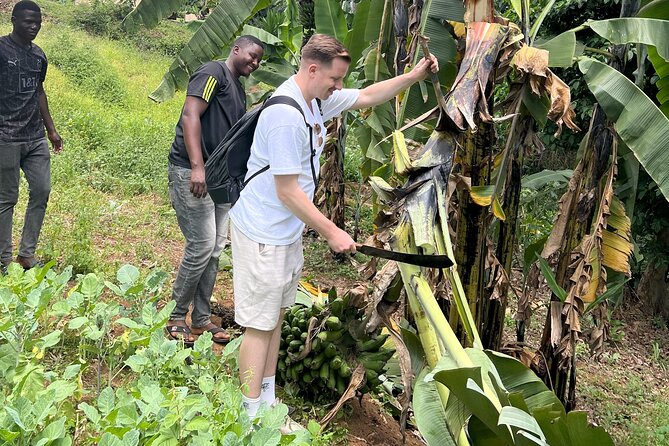
The coffee experience is the centerpiece, and the reason it stays with you. You begin at the plants themselves - trees that have grown on the same family's land for over 75 years. Your guide explains how altitude, volcanic soil, and shade from banana canopy produce the flavor profile that makes Kilimanjaro Arabica internationally sought-after.
Then you do it: pick the cherries, shell them, dry-roast the green beans over an open flame while the guide stirs continuously, grind them using a traditional wooden mortar (accompanied by rhythmic Chagga call-and-response songs), and brew the result in a clay pot.
The coffee at the end is genuinely one of the best cups I have had anywhere. The context - that the trees are 75 years old, that the family uses no chemicals, that you just watched smoke from your own roasting pan - makes it taste more honest than anything sold in European specialty cafés.
“The stories of life in the caves were fascinating as were the caves themselves. Pick a few coffee beans, grind them the traditional way, roast them, and have tree to cup in 25 minutes - perfect coffee.”
2. The Chagga Caves: Underground War History You Can Walk Through
This is the part that surprises people most. The Chagga dug extensive tunnel networks into Kilimanjaro's volcanic hillsides, and the primary purpose was survival. When Maasai warriors swept from the plains below, the Chagga could hide women, children, livestock, and food stores underground for weeks.
The tunnels are narrow, dark, built on a human scale that reminds you immediately how serious the threat must have been. A good guide will tell you not just the engineering story (ventilation, livestock movement, disguised entrances) but the human one: families sheltering underground for weeks, communicating in silence, knowing the warriors were above them.
Critical note: Some tour operators skip the caves to save time. Based on consistent reviewer feedback, this is the single biggest mistake they make. Choose a tour that specifically includes cave access.
3. The Waterfall: Materuni Falls (95 Meters) Through Banana Forest
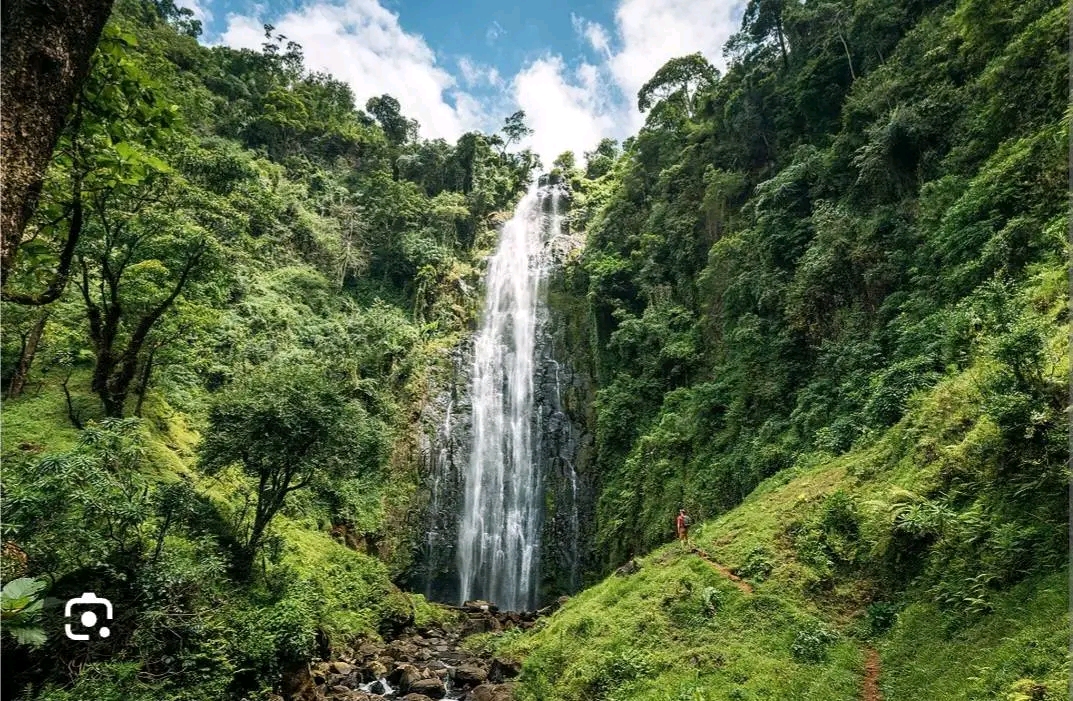
The hike to Materuni Falls runs 45-90 minutes each way through landscape that changes as you gain altitude: banana groves give way to denser forest, paths narrow, air cools. Your guide uses the walk to explain the plants you pass and point out the ingenious irrigation canals still in use.
Materuni Falls drops roughly 95 meters into a rocky basin. The water is cold enough that swimming feels like a reward. Multiple reviewers describe it as among the most beautiful waterfalls they have encountered anywhere. The walk back, knowing lunch is being prepared, is its own pleasure.
4. The Traditional Lunch: Best Meal in Tanzania (According to Guests)
The lunch served at the host family's home is consistently one of the most remarked-upon elements. It is cooked fresh using ingredients grown on the property: mtori (green banana and meat stew, ceremonial in Chagga culture), machalari, fresh fruit, pilau rice, seasonal vegetables. Portions are generous.
“The women welcomed us into a small house and fed us some of the best food we had throughout our trip. There was plenty for everyone.”
What makes it different is not complexity but honesty: the food comes from the land you just walked through, cooked by the family whose history you have been learning about. That context changes how it tastes.
5. The People: Family-Run Operations Make All the Difference
The single factor that determines whether this tour is good or extraordinary is the people running it. The family-run operations involve the whole family: parents, siblings, children. Guests describe arriving to find the family waiting - not as performance, but as welcome. Singing during coffee making. Playing cards afterwards. Dancing with the women who prepared lunch.
This format is small enough that you become part of the day rather than a passenger through it. By the time we reached the waterfall, Casty (our guide) had answered questions about his own family, his years working on the mountain, and his views on what Kilimanjaro tourism was doing to the villages. That conversation is only possible at this scale.
✓ What Works Brilliantly
Coffee ceremony is genuinely extraordinary
Caves are historically remarkable (when included)
Waterfall is beautiful and swimmable
Traditional lunch rivals best meals in Tanzania
Authentic cultural immersion, not performance
Affordable relative to other Tanzania experiences
Direct economic benefit to village families
✗ What to Know Going In
Quality varies significantly by operator
Waterfall hike can be muddy/slippery in wet season
Full day is long (6-8 hours) and physically active
Not suitable for very young children or limited mobility
Some large-group tours feel more staged
Limited mobile signal in villages
How to Choose the Right Tour (Quality Varies Wildly)
Not all Chagga tours are created equal. The difference between a good operator and a mediocre one is stark. Here is how to choose wisely:
✓ Look For
Family-run operations
Caves specifically included
Small group sizes
Lunch cooked on-site
✗ Red Flags
"Caves optional"
Large group tours (15+)
Vague itinerary
Significantly cheaper than $35-50
No mention of which waterfall
💡 Insider Booking Tip
For the most authentic experience and best value, book with We Are Tanzania. You pay less than platform bookings, and 100% goes to the family. Our Google Reviews are consistently exceptional.
Practical Information: Everything You Need to Know
Duration & Schedule
Full day: 6-8 hours including transport from Moshi
Half day (waterfall + coffee only): 4-5 hours
Typical pickup: 8:00-8:30 AM | Return: 3:00-4:00 PM
What to Bring
Required: Hiking boots or sturdy shoes (trail gets muddy), long pants (cultural respect), light rain layer
Recommended: Sunscreen, water bottle (provided but bring your own), camera, small cash for optional coffee purchase ($15/bag)
Available to rent: Rubber boots at trailhead if heavy rain
Not needed: Swimsuit (optional for waterfall), large bags
Physical Requirements
Fitness level: Moderate. The waterfall hike involves 45-90 minutes on uneven terrain with some elevation gain. Anyone who can walk 3-4km should be fine.
Not suitable for: Very young children (under 6), anyone with significant mobility limitations, those uncomfortable with narrow underground spaces (caves).
Best Time to Go
Year-round option: Tour runs in all seasons
Dry season (June-Oct, Jan-Feb): Less muddy trails, clearer mountain views
Wet season (Mar-May, Nov-Dec): More powerful waterfall, fewer tourists, muddier paths
⚠ Important Cultural Notes
Dress modestly: long pants, covered shoulders (shorts discouraged in villages)
The tour is participatory - expect to grind coffee, sing along, help with cooking
Tip your guide: TSh 20,000-30,000 ($10-15) is standard for excellent service
Ask permission before photographing people
Final Thoughts: Why This Day Matters
Tanzania has countless attractions that will take your breath away with their beauty: Serengeti's endless plains, Ngorongoro's perfect crater, Kilimanjaro's summit at sunrise. The Chagga Village Cultural Tour does something different.
It shows you what the mountain means to the people who have lived on it for centuries. The coffee ceremony, the caves, the waterfall, the lunch - these are not performances for tourists. They are the daily reality, historical memory, and agricultural skill of a tribe that built a sophisticated civilization on volcanic slopes without ever having a written language.
You will spend 6-8 hours in their villages. You will emerge understanding Kilimanjaro differently. Most people climb the mountain to conquer something. This tour helps you understand something instead.
That is worth the day.
Related Kilimanjaro Experiences
→ Complete Kilimanjaro Climbing Guide: Routes, Costs, Success Rates
→ Moshi Town Guide: What to Do Before & After Your Climb
→ Chemka Hot Springs: Natural Swimming Paradise (Perfect Post-Hike)