Things to Do in Moshi Tanzania
The complete local guide - from the Kilimanjaro foothills to hot springs, caves, coffee, and the places tourists rarely find.

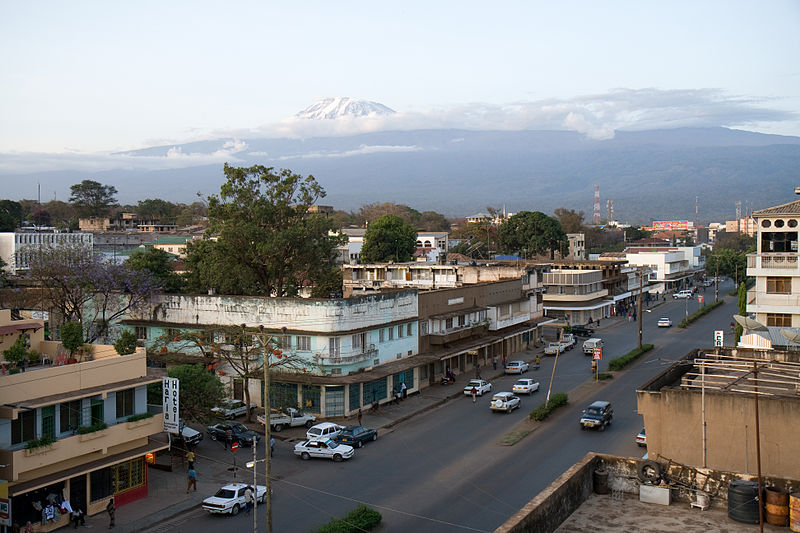
People arrive in Moshi for one reason: Kilimanjaro. The mountain is visible from almost everywhere in town on a clear morning - white and enormous above the rooflines. The kind of thing that stops you mid-sentence even after years of living here.
But here's what most guides skip. Moshi is worth your time independently of the mountain. It's a small town. It's genuinely friendly. The Kilimanjaro foothills hold waterfalls, ancient caves, 75-year-old coffee trees, and Chagga villages that have been farming the same slopes for centuries. The market works. The food is good. The place hasn't been entirely rearranged for tourists, which is rarer than it sounds.
We're based here. We run transfers and tours. We've had thousands of conversations with travellers passing through. This guide reflects what we know - not a brochure version of it.
01 — Practical advice
Before or After Your Kilimanjaro Climb
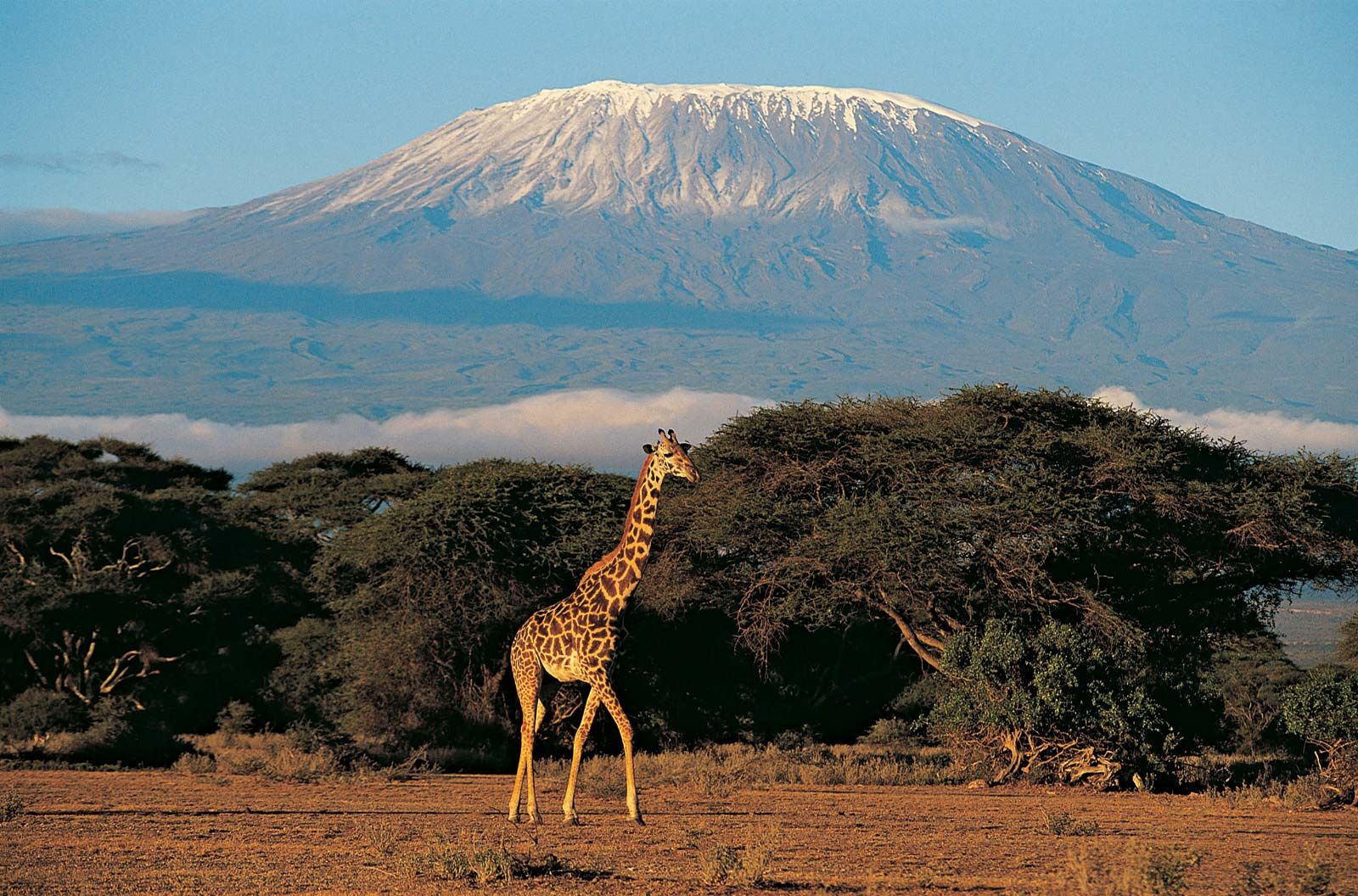
Most climbers arrive with one or two days on either side of the mountain. Here's how to use them without wasting them
▲ Before the climb
Your body needs rest. Your stomach needs food, your blood needs water. Don't hike to a waterfall the day before you start. Do one gentle thing - the coffee farm walk, or a slow morning at Courage Café with Kilimanjaro in the window. Eat a proper meal. Sleep early. That's it.
▼ After the climb
You've just spent seven or eight days at altitude. Your legs are finished. Your emotions are somewhere you didn't expect. Take one full rest day before you decide anything. Then - if the body allows - do what you didn't have time for before. The hot springs fix sore muscles better than anything else we know. The Chagga caves are worth a half-day. And you'll want a long dinner somewhere decent, which Moshi can deliver.
02 — The waterfalls
The Waterfalls Nobody Talks About
Three waterfalls sit in the lower slopes of Kilimanjaro within reach of Moshi. Almost nobody outside the region knows any of them. Most visitors drive straight to a safari and miss them entirely.
Materuni Waterfall - Most Popular
Materuni village is about 45 minutes from Moshi by road. The waterfall - 80 metres of cold, glacier-fed water - is the draw. But the day around it is the actual thing.
The hike takes around 40 minutes each way. It's steep in places, not technical. You walk through banana plots. The trail smells of damp soil and charcoal from the farms nearby. Your guide is from the village. He knows whose land you're crossing, what's growing, and why - which makes it a different walk than it would be with someone from Moshi town who Googled the route.
After the waterfall, the coffee ceremony. You roast the beans over charcoal yourself. The smoke gets in your clothes. You grind them in a wooden mortar, brew the coffee in a clay pot, and drink it thick and slightly sweet in someone's garden while Kilimanjaro disappears and reappears behind the clouds. Lunch is usually included. It's consistently one of the meals people remember from the whole trip.
Price $50–$80 / person (shared) · Private from $150
Duration Full day — depart ~8am, return ~4pm
Difficulty Moderate — 40 min hike each way, steep in places
Best for All fitness levels · Good first-day activity
Full details wearetanzania.com/materuni-waterfalls →
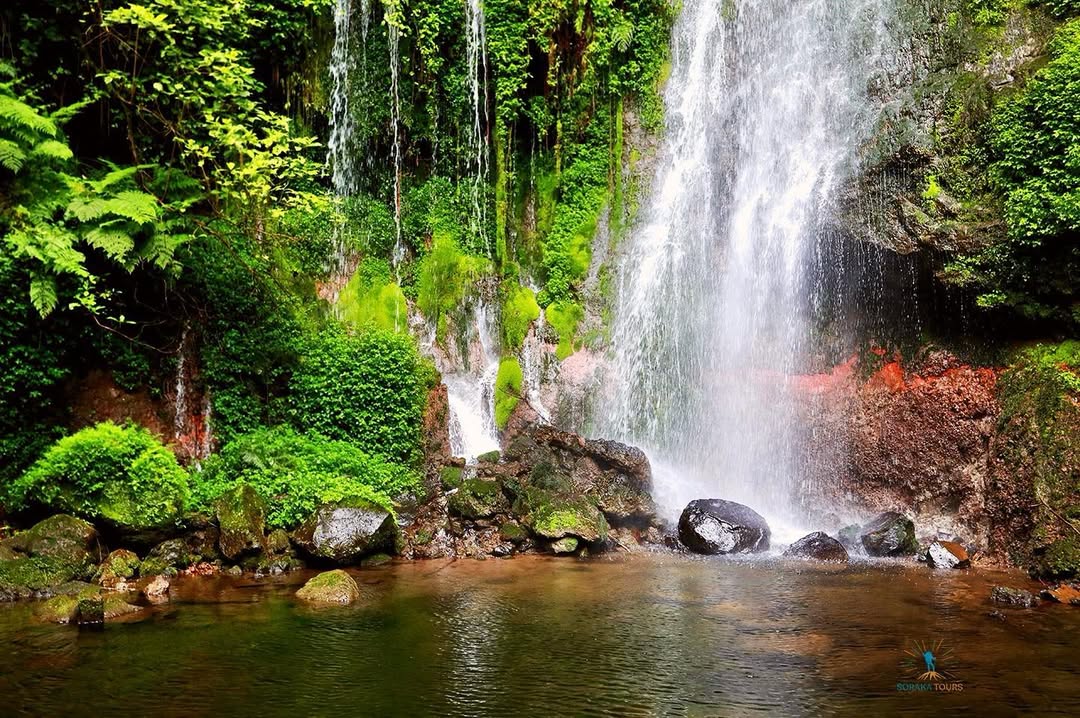
Ndoro Waterfall - Quieter Option
Near Marangu village - the same area where the Marangu route up Kilimanjaro begins. Less visited than Materuni. The landscape here is quieter and the terrain more cultivated. Most tours combine this waterfall with the Chagga caves and a village lunch, which makes it the right pairing if you want cultural content alongside the scenery.
Kwa Mambori Waterfall - Most Remote
The least visited of the three. If you've done Materuni and you have an extra day and a guide you trust, this is the one. It's not easily set up as a standalone tour - ask us directly and we'll tell you the best way in.
03 — Culture
The Chagga Village Tour and the Caves
This is the experience that stays with people longest. Not the most dramatic thing available around Moshi - but the most human.
The Chagga are the people of Kilimanjaro. They've been farming these slopes for centuries, using irrigation systems that predate European contact in the region by hundreds of years. Their coffee - Arabica, shade-grown, picked by hand - is exported to Europe and North America. Their villages sit in the middle of everything: on the paths to the waterfalls, along the Kilimanjaro approach routes, in the market stalls in Moshi town.
A good Chagga village tour takes you through working farms. You see banana terraces and coffee plots. Your guide explains what you're looking at - not just pointing at it. The banana beer, called mbege, is fermented and slightly sour. Try it once. The traditional mtori, a banana and meat stew, is better than the description suggests.
The caves are the part nobody forgets.
The Chagga carved tunnel systems through volcanic rock - refuges for women, children, and livestock during wars with neighbouring Maasai clans and later during German colonisation. Some tunnels run for hundreds of metres. The ceilings are low enough that you have to duck. Inside: distinct chambers. Sleeping areas. Cooking spaces. Storage rooms. Livestock pens. You stand in one while your guide explains what was built here and when, and you feel the weight of something that happened in this specific place and left its mark in the rock.
The Marangu area is the right base for this tour - about 40 kilometres from Moshi. It pairs naturally with Ndoro Waterfall as a full day.
Chagga Village Tour - Most Memorable
Price From $50 / person (shared group)
Duration Half day or full day
Highlights Chagga caves · banana beer · traditional lunch · coffee plots
Full details wearetanzania.com/chagga-village-tour →
04 — Hot springs
Chemka Hot Springs
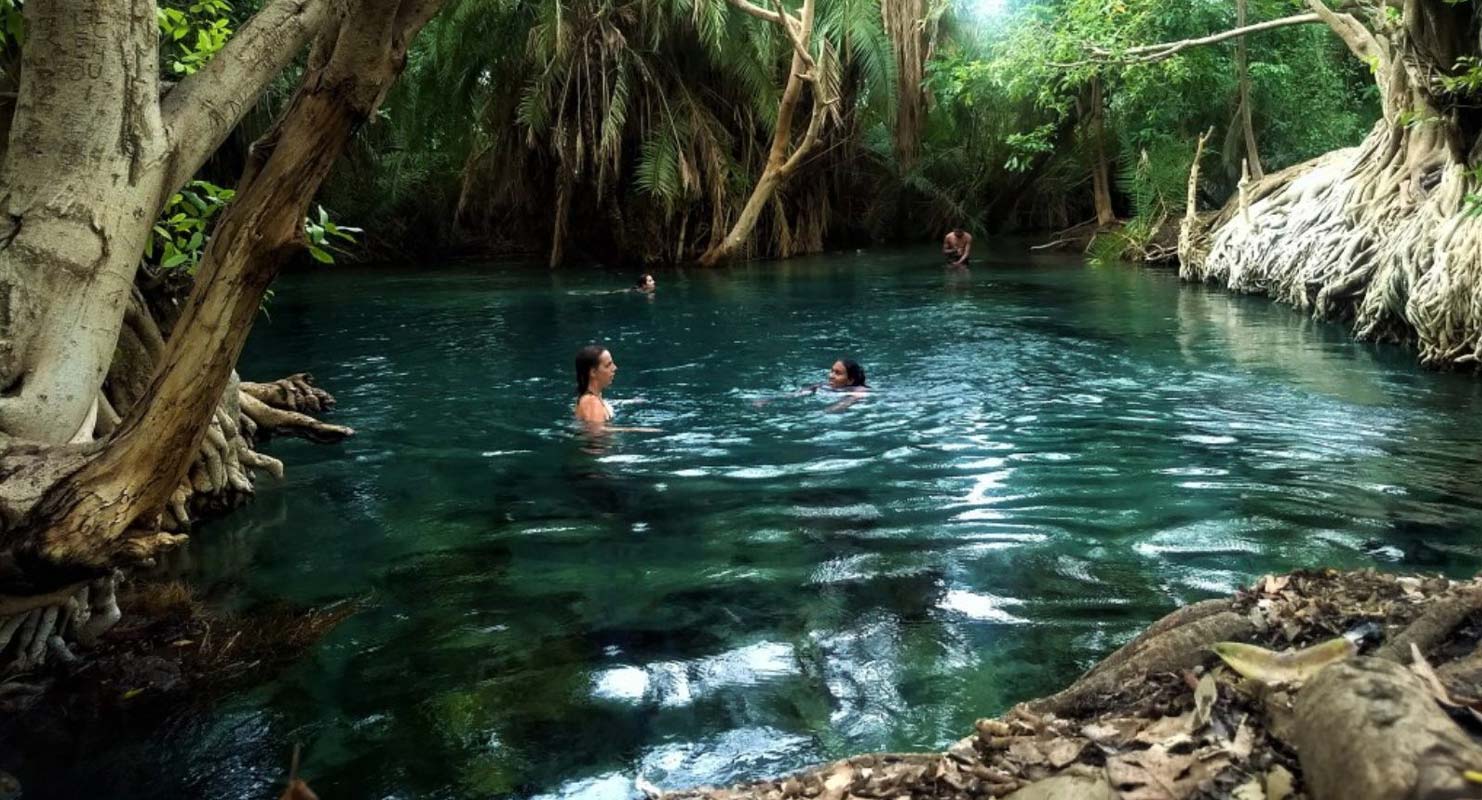
About 1.5 hours south of Moshi, across land that gets drier and flatter as you move away from the mountain. Then: a natural pool, palm trees overhead, clear warm water in a landscape that has no business producing either.
The water comes from underground springs fed by Kilimanjaro's snowmelt. It sits cool-to-warm rather than truly hot - right for long swimming, not scalding. The visibility in the pool is striking. You can see the bottom clearly from three metres up.
There's not much to do here except swim and lie on the bank. That turns out to be exactly what's needed after a week at altitude. Most tours combine Chemka with a Maasai village visit nearby - a couple of hours of useful context before the long swim.
Chemka Hot Springs - Best Post-climb
Price $60–$90 / person (shared, incl. Maasai visit)
Duration Full day
Best for Post-climb recovery · families · photography
Combined with Maasai village visit nearby
Book https://wearetanzania.com/destinations/moshi/kikuletwa-hot-springs →
05 — The mountain
The Kilimanjaro Day Hike
You don't have to summit to experience Kilimanjaro properly. The Marangu Gate - the eastern entry point, about 40 kilometres from Moshi - is the starting point for a day hike into the montane forest up to Mandara Hut at around 2,700 metres.
It's 8–10 kilometres return. Four to six hours depending on your pace. Around 700 metres of elevation gain. The forest closes in quickly after the gate - colobus monkeys in the canopy, chameleons in the undergrowth, the trail going grey and cool with mist by mid-morning. The air smells like wet bark and something older than tourism.
If you're planning a full summit attempt later, this hike has a practical purpose: you'll feel 2,700 metres before you commit to a week above it. That information is worth having. A guide is mandatory inside the park and genuinely earns their fee in this forest.
Kilimanjaro Day Hike to Mandara Hut - Park Access Required
Price $170–$250 / person (transport + guide + park fees)
Distance 8–10 km return
Elevation ~2,700m at Mandara Hut · 700m gain
Duration 4–6 hours hiking
Book https://wearetanzania.com/kilimanjaro-day-hike-mandara-hut →
06 — Coffee
The Coffee Farm Walk
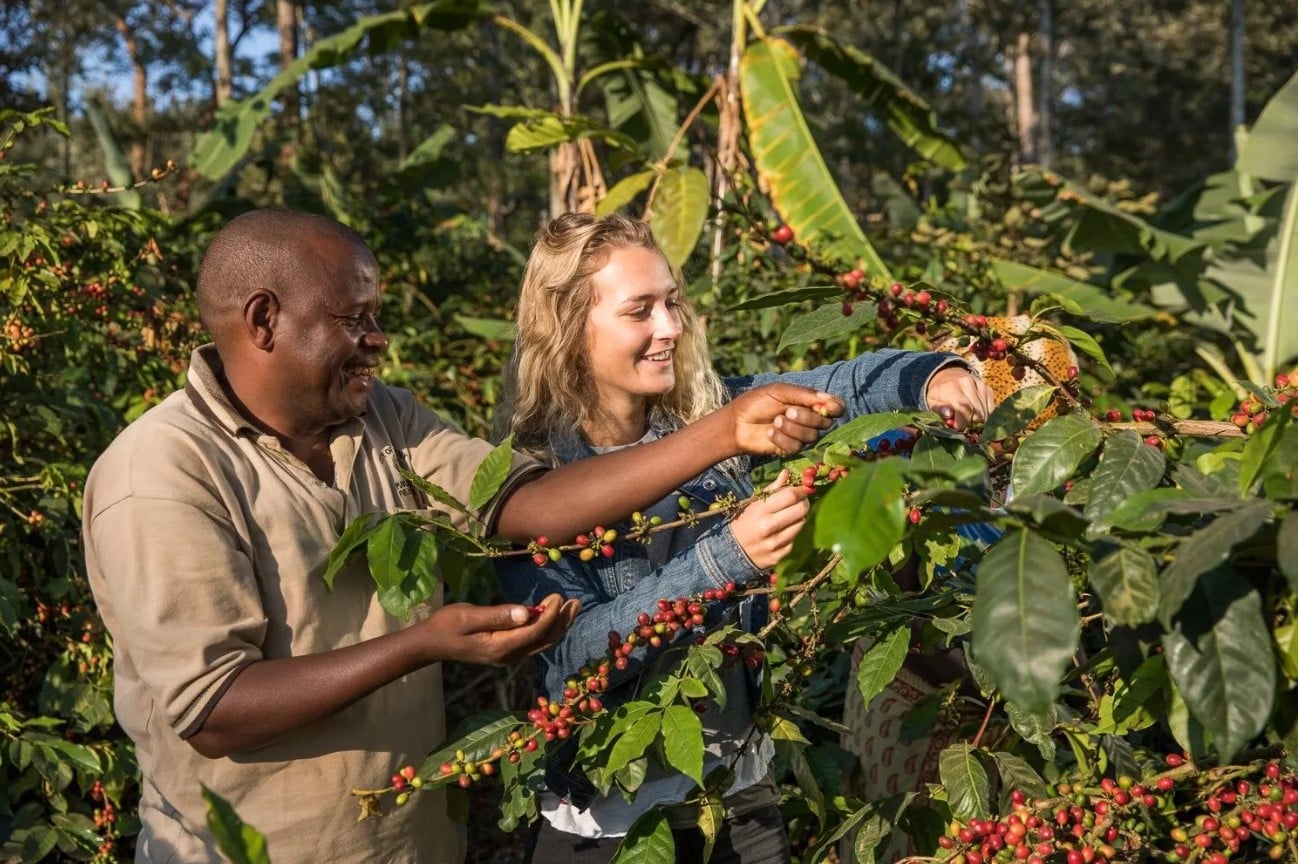
Moshi sits inside a region that produces some of the best Arabica coffee in the world. The farms on the lower Kilimanjaro slopes are shade-grown under banana trees, irrigated by a channel network the Chagga have kept running for generations. They're not a tourist construct. They're working farms that have been producing coffee since the German colonial period introduced commercial cultivation in the late 1800s - layered on top of traditional cultivation that predates that by centuries.
The coffee farm walk is a half-day. You walk between active plots. You learn the chain from cherry to cup - picking, pulping, drying, roasting, grinding, brewing - and finish with coffee made the traditional way over charcoal. The smell of those beans hitting the pan stays with you. The guides are farmers or the children of farmers. The knowledge is direct.
◆ Pairing tip
This works naturally with the Materuni waterfall as a full-day combination, or as a standalone half-day if you want something gentle. Either way, come hungry - the post-walk meal is part of it.
07 — Hidden
The Rau Forest Reserve
Three kilometres southeast of Moshi town. Largely unknown to visitors. Mostly overlooked even by guides that cover this region well. Rau is a forest reserve fed by groundwater from Kilimanjaro's slopes, crossed by the Rau River, and home to 71 species of trees including the East African endemic prioria msoo.
You can walk through it with a local guide, rent a bicycle and use the trails, or find a quiet spot and sit with the forest. Takes about three hours. Costs almost nothing.
◆ Local tip
If you have a free afternoon and you've already done the main day trips, go here. You won't regret it - and you almost certainly won't see another tourist.
08 — Group tours
Joining Shared Departures
Most of the experiences above run as shared group departures - you join a vehicle with two to five other travellers rather than booking an exclusive arrangement. For day trips around Moshi, that's our honest recommendation. The groups are small. The drives are long enough to be interesting. The conversations that happen in the back of a Land Cruiser on the way to a waterfall tend to be worthwhile.
09 — Food
Where to Eat in Moshi
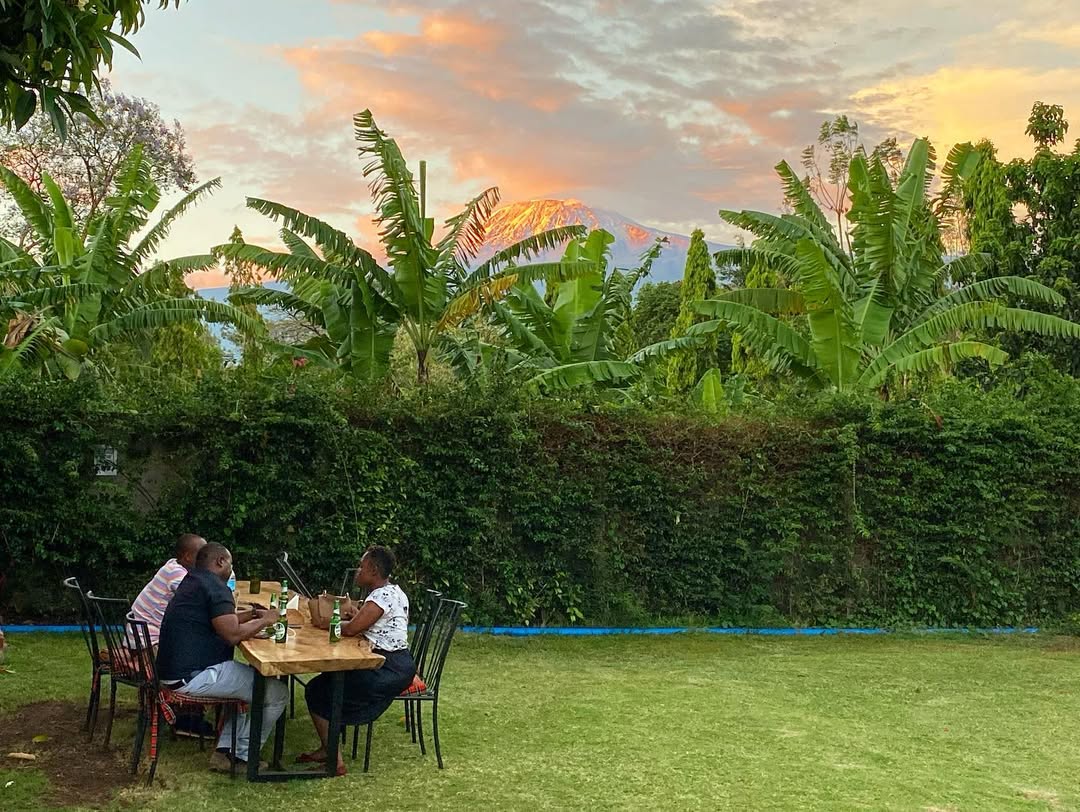
Two places come up in almost every conversation we have with travellers who've spent real time here. Both are worth your time for different reasons.
1. Courage Café
Shanty Town · Social enterprise
A social enterprise run by Courage Worldwide - every purchase supports survivors of sex trafficking. The garden is large and genuinely quiet. The coffee is excellent. On clear mornings you can see Kilimanjaro from the outdoor tables. Order the avocado toast, or the cinnamon roll, or the passion fruit gelato. All better than you'd expect. This is where I'd tell a friend to go for a pre-climb breakfast - calm, good food, and you're looking at the mountain you're about to walk up.
Full review: wearetanzania.com →
2. Jackfruit Café
Garden setting · Wood-fired pizza
A short tuk-tuk ride from the main street, under mango and jackfruit trees with string lights in the evening. Wood-fired pizza that's consistently good. Sushi that's better than it has any right to be in a landlocked Tanzanian town. The raspberry juice is a local institution - order it once and you'll understand. For dinner after a long day on a dusty road, this is where I'd go. Sit outside. Take your time.
10 — Transport
Getting Around Moshi
Moshi is compact.
Most hotels and guesthouses are within walking distance of the main street, the market, and each other.
For day trips into the foothills or out to Chemka, you need a vehicle - dala dalas don't serve most of the tourist routes, and the distances make motorcycle taxis impractical.
The simplest approach is to bundle transport with your tour booking. We handle both - airport pickups, hotel transfers, day trip transport - as a single arrangement. One WhatsApp message covers it.
11 — Timing
When to Come
Moshi has two dry seasons and two rainy seasons. The waterfalls are fuller during and just after rain, which makes the shoulder months visually strong even if the trails are muddier. The hot springs and Chagga village tours work in any weather.
Kilimanjaro is most visible from town in the early morning before cloud builds. By 10am most days, the summit has pulled its own weather system around itself. If seeing the mountain clearly from Moshi matters to you, early mornings in the dry season are your window.
Dry Season 1 January – March
Warm, clear mornings
Dry Season 2 June – October
Peak season · busiest July–Aug
Rainy Seasons April–May (long)
Nov–Dec (short)
Best Visibility Early morning, any season
Before 9am
Book a Tour or Transfer
Tell us what you want to do, when you're arriving, and how many people. We'll tell you what's running, what it costs, and how to make the most of the time you have.