Essential Tips to Climb Kilimanjaro with Confidence and Success
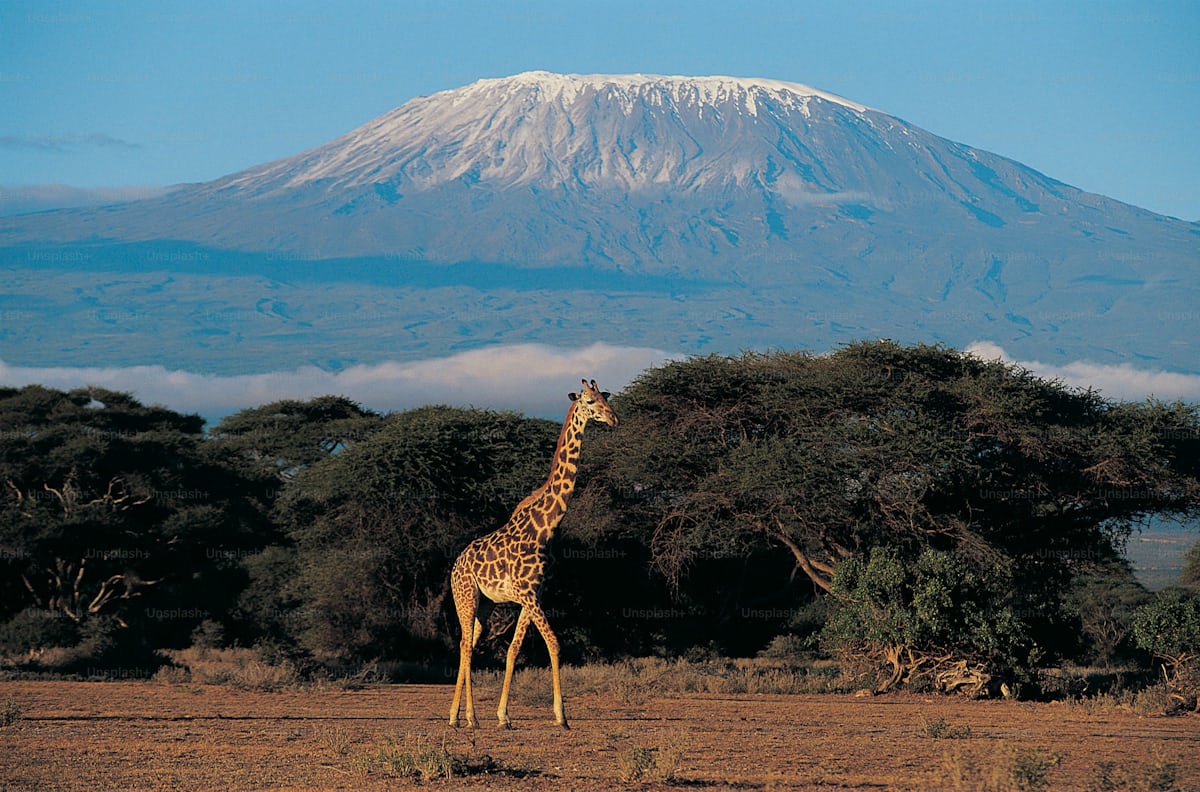
Curious about how to climb Kilimanjaro? Standing as a monumental beacon over the plains of East Africa, this majestic peak offers one of the most rewarding adventures on the planet.
This comprehensive beginner's guide covers everything from the best time to climb, necessary gear, physical preparation, and choosing between the various Kilimanjaro tours.
Whether you're a seasoned hiker or a determined novice, you'll discover everything you need for a successful and unforgettable ascent. Prepare for the trip of a lifetime as you get ready to conquer the roof of Africa.
Understanding Mount Kilimanjaro: The Roof of Africa

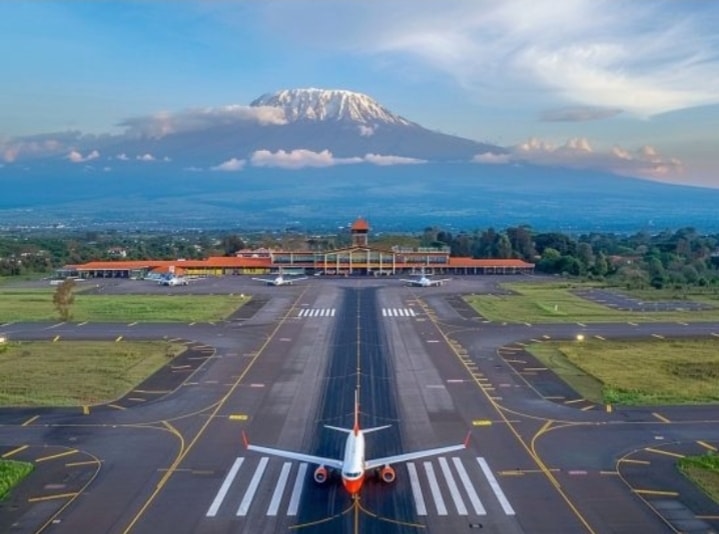
Mount Kilimanjaro, located in Northeast Tanzania near the Kenyan border, is not just any mountain; it is the world's tallest freestanding mountain, soaring to an impressive 5,895 meters (19,341 feet) above sea level.
This majestic giant is also the highest peak in Africa, crowned with a permanent ice cap that glistens under the equatorial sun. Known as the “mountain of greatness,” Kilimanjaro is an iconic mountain and a premier destination for adventurers, making it the most prominent mountain in Africa.
A Geological Marvel and One of the Seven Summits
Kilimanjaro is a geological wonder and a dormant volcano, classified as the highest volcano in the Eastern Hemisphere.
Its prominence of 5,895 meters makes it the fourth most prominent peak in the world. As one of the famed Seven Summits - the highest mountains of each continent - it holds a special place in the hearts of mountaineers. Unlike other colossal peaks, Kilimanjaro is considered a great mountain for first-time climbers with the right preparation.
The Allure of Climbing Kilimanjaro
The journey of climbing Kilimanjaro is one of incredible diversity. Trekkers pass through five distinct ecosystems, from lush rainforests teeming with life to the stark, lunar-like landscape of the alpine desert, culminating in the arctic conditions at the summit of Mount Kilimanjaro.
This transition through climatic zones is a core part of the adventure, offering ever-changing scenery and a profound connection to nature. The challenge and beauty of climbing Kilimanjaro make it a truly unforgettable adventure.
When is the Best Time to Climb Kilimanjaro?
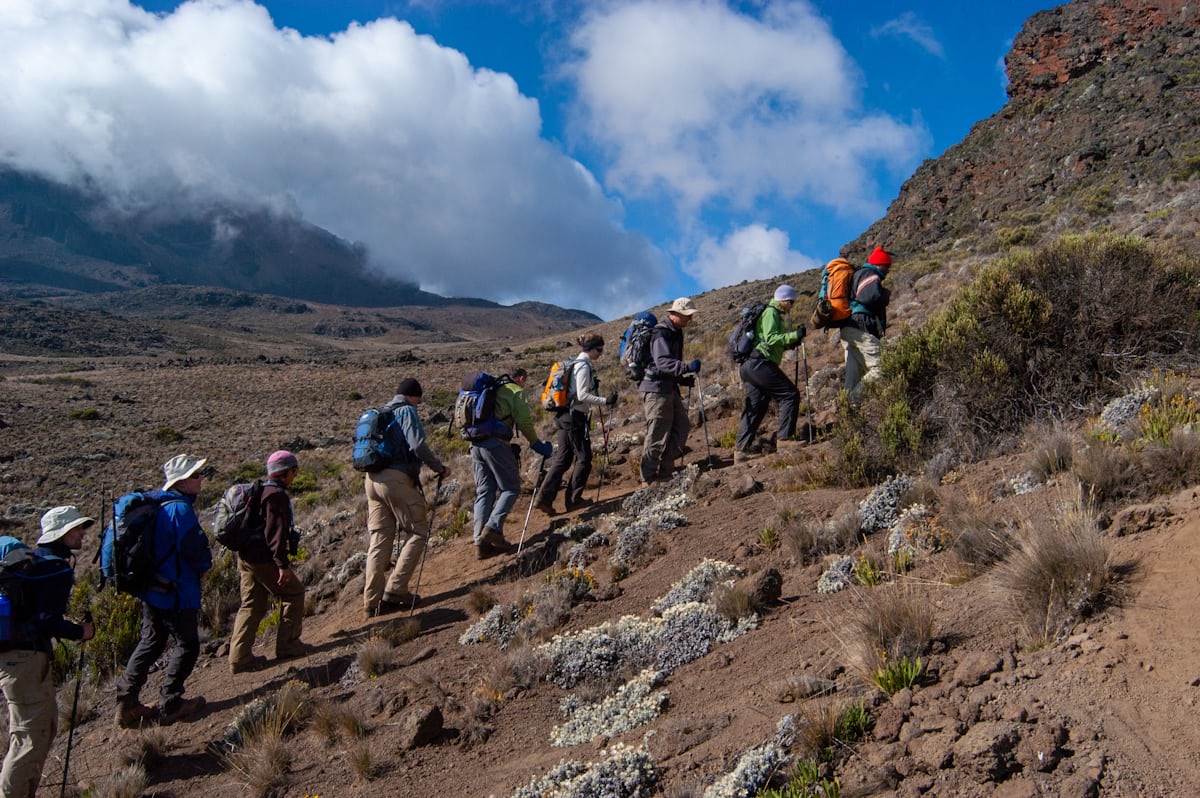
Timing your Kilimanjaro climb is crucial for a successful and enjoyable ascent. The weather on the mountain can be unpredictable, but there are distinct dry and wet seasons that heavily influence trekking conditions.
The Dry Seasons: Your Prime Climbing Window
The prime periods for climbing Kilimanjaro are from December to mid-March and from late June to October. During these months, the weather is generally more favorable, with minimal rainfall and clearer skies, which significantly enhances your chances of a successful climb.
The months of January, February, July, August, September, and October are particularly ideal due to their stable and pleasant weather conditions, making them the most popular times to undertake this epic trip.
The Wet Seasons: Months to Avoid
Climbing during the heavy rainy seasons of April, May, and November is generally discouraged. The significant rainfall makes the trails muddy, slippery, and more challenging to navigate.
Furthermore, poor visibility due to dense clouds and fog can obscure the stunning vistas that are a highlight of the trek. While some budget operators may offer Kilimanjaro tours during these months, the compromised experience and lower success rates make it a less desirable option for most climbers.
How Long Does it Take to Climb Kilimanjaro?
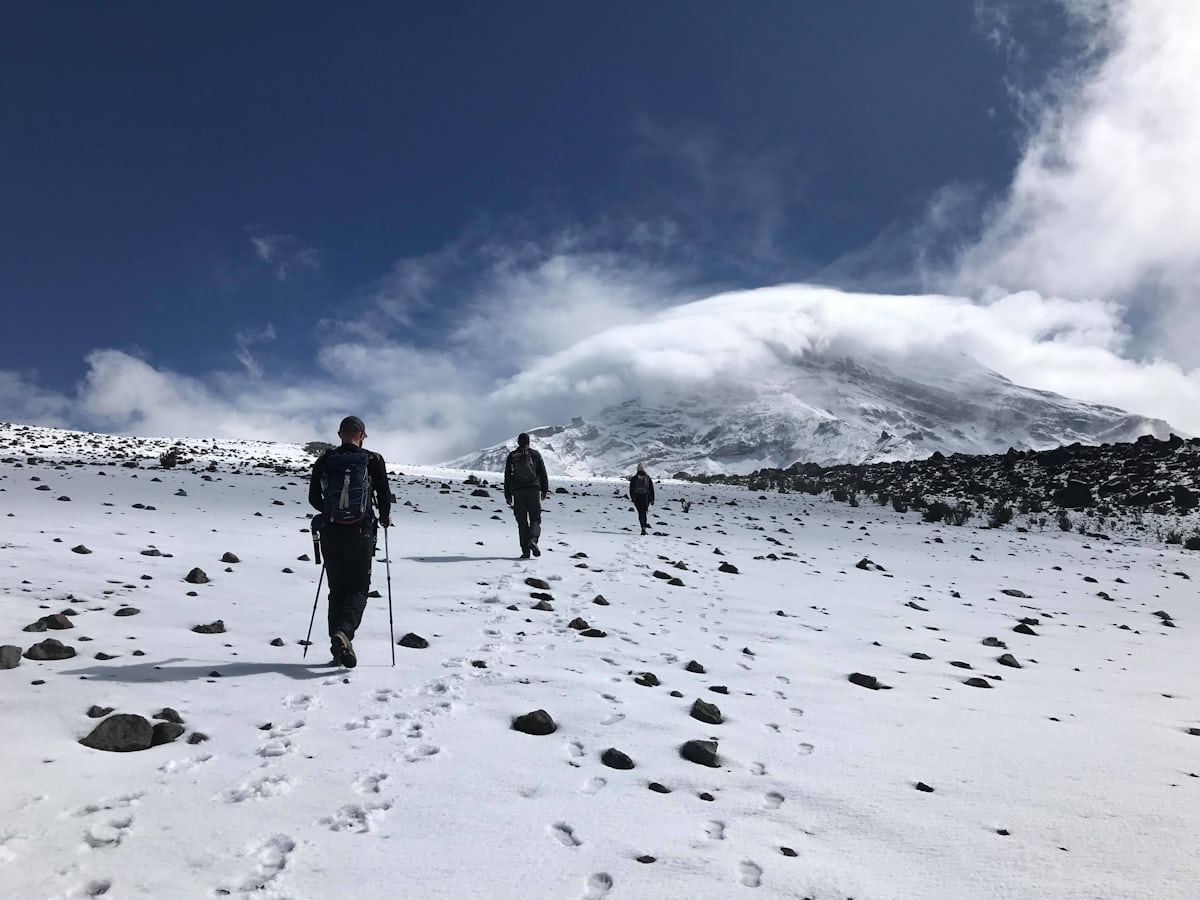
The duration of your Kilimanjaro trek is one of the most critical factors influencing your success rate. While it might be tempting to choose a shorter route to save time and money, this approach often backfires.
The Importance of a Slow Pace for Acclimatization
The trek to the summit typically takes between 5 to 9 days, depending on the chosen route. For most climbers, an 8-day trek is highly recommended. This duration allows for a slow pace and better acclimatization to the high altitude, which is essential for safely reaching the summit.
Rushing the ascent dramatically increases the risk of altitude sickness, as your body doesn't have enough time to adjust to the reduced oxygen levels.
Why Longer Kilimanjaro Treks Boost Success Rates
Longer itineraries, such as 8 or 9-day Kilimanjaro treks, have significantly higher success rates. These routes often incorporate a "climb high, sleep low" profile, where you ascend to a higher elevation during the day and then descend to a lower altitude to sleep.This principle is a cornerstone of effective acclimatization.
Remember, the journey is not just about reaching the finishing point but also about enjoying the experience, making new friends among your fellow climbers, and descending safely. A longer trip allows you to fully absorb the beauty of the mountain.
Selecting Your Perfect Kilimanjaro Route
Choosing the right Kilimanjaro route is a decision that will profoundly shape your entire experience. Mount Kilimanjaro offers seven main routes, each with unique characteristics regarding scenery, difficulty, crowd density, and accommodation style.
Comparing the Seven Main Routes
When selecting a route, consider factors like its acclimatization profile, the difficulty of the summit night, and overall safety. The success rates vary significantly between routes, largely due to their length. Longer routes consistently yield higher success.
The Lemosho Route and Machame Route: Scenic Favorites
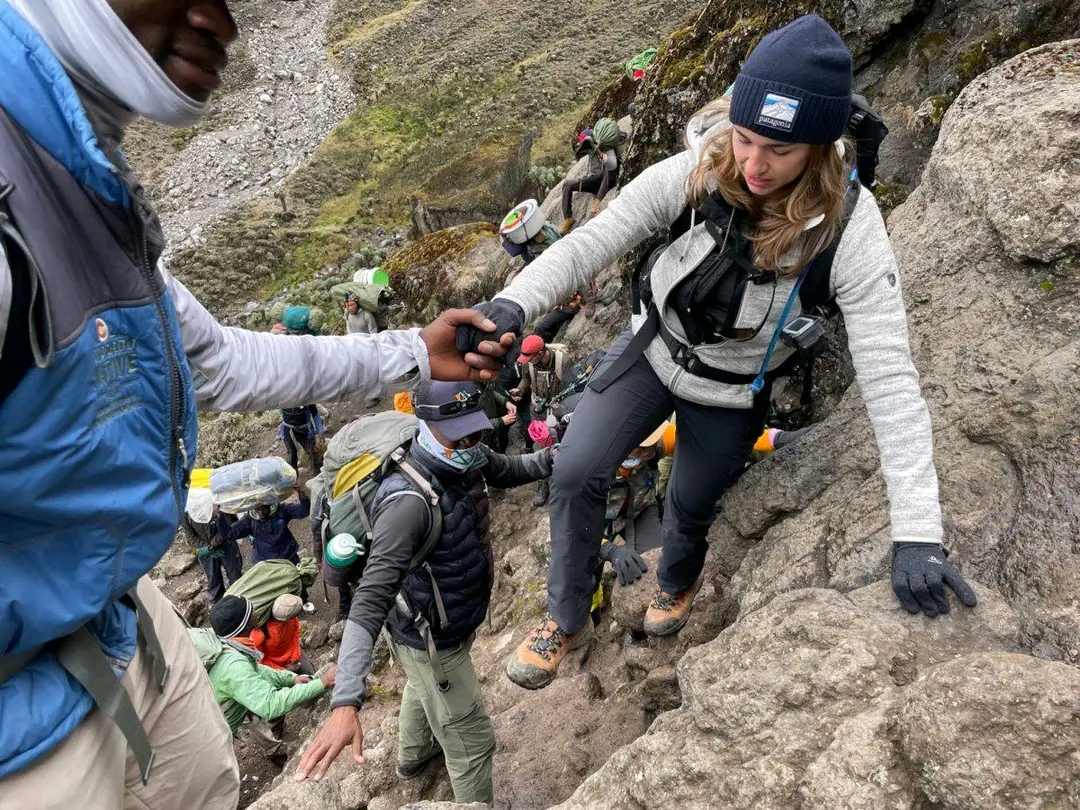
The Lemosho Route and Machame Route are two of the most popular and scenic options. The Lemosho Route, often completed in 8 days, is highly recommended for its excellent acclimatization and breathtaking views as it traverses the Shira Plateau.
The Machame Route (or "Whiskey Route") is a 7-day trek known for its challenging terrain and stunning vistas, making it a favorite for more adventurous climbers.
Both of these Kilimanjaro treks have high success rates due to their favorable acclimatization profiles.
The Marangu Route: A Hut-Based Option
The Marangu Route, nicknamed the "Coca-Cola Route," is the oldest and most established path. It is the only route that offers sleeping huts instead of tents.
While this might sound like the easiest route, its shorter 5 or 6-day itinerary leads to poor acclimatization and one of the lowest success rates on the mountain.
The Rongai Route and Northern Circuit: Less-Crowded Paths
For those seeking solitude, the Rongai Route is an excellent choice, as it approaches the mountain from the north, near the Kenyan border. It is generally drier and less crowded.
The Northern Circuit is the longest and newest route, offering the best acclimatization and highest success rates by circumnavigating the northern face of Kilimanjaro. This route is perfect for those who want the most immersive experience possible.
Your Kilimanjaro Climb: Physical and Mental Preparation

A successful Mount Kilimanjaro climb depends as much on your preparation as it does on your determination on the mountain. A dedicated training regimen is essential.
Crafting Your Training Plan
Physical preparation is key. Training should begin at least 8-12 weeks before your climb. Focus on cardiovascular exercises like hiking, jogging, cycling, and swimming to build endurance.
Strength training, particularly for your legs and core, is also critical. The best preparation is to simulate the trek itself by doing long day hikes with a weighted backpack, ideally on hilly terrain. Invest in a good pair of walking boots and break them in well before your trip.
What to Expect on a Typical Day on the Mountain
A typical day of climbing Kilimanjaro begins with an early wake-up call around 6:30 AM with hot tea or coffee. After a hearty breakfast, you'll start hiking around 8:00 AM. Most days involve 4-6 hours of hiking at a deliberately slow pace to aid acclimatization. Your porters will move ahead to set up the next camp, so when you arrive, your tent and a hot meal await.
Evenings are for resting, dining in the mess tent, and bonding with fellow climbers. The final push to the summit is the most demanding part of the trek, starting around midnight and lasting 10-14 hours.
Essential Gear and Equipment for Your Trek
Having the right gear is not a luxury—it's essential for your safety and comfort while you climb Kilimanjaro. The mountain's diverse climate zones mean you must be prepared for everything from tropical heat to arctic cold.
Clothing and Layering Systems
The key to staying comfortable is a layering system. You'll need:
Base Layer: Moisture-wicking tops and bottoms to keep sweat away from your skin. Avoid cotton at all costs.
Mid Layer: An insulating layer, such as a fleece jacket, to retain body heat.
Outer Shell: A waterproof and windproof jacket and pants to protect you from the elements.
Insulated Jacket: A heavy down or synthetic jacket is crucial for the cold nights and the summit attempt.
Essential Camping Equipment: Sleeping Bag, Tents, and More
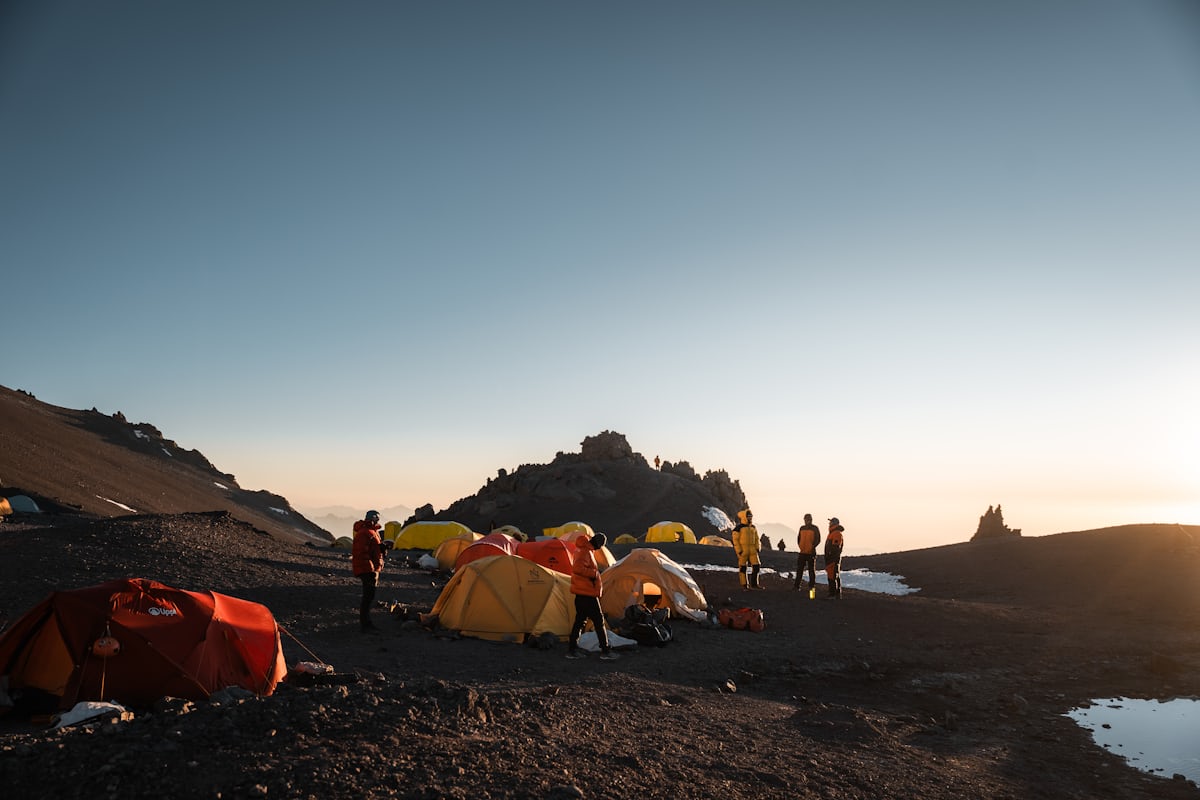
While your tour operator will provide tents and other communal camping equipment, you'll need some personal items:
Sleeping Bag: A 4-season sleeping bag rated for at least -15°C (5°F) is non-negotiable for the frigid cold nights.
Trekking Poles: These significantly reduce the impact on your joints, especially during descents.
Head Torch: A reliable head torch with extra batteries is essential for navigating in the dark during the summit night.
Hydration System: A water bladder or reusable bottles with a total capacity of 3-4 liters. Plastic water bottles are banned in the national park.
Duffel Bag and Daypack: Porters will carry your large duffel bag (limited to 15kg), while you'll carry a daypack with daily essentials.
Expect to budget between $500 and $800 for quality gear if you need to purchase everything new.
Navigating High Altitude: Preventing and Managing Altitude Sickness
Altitude sickness, or Acute Mountain Sickness (AMS), is the single biggest reason climbers fail to reach the summit of Kilimanjaro. It occurs when the body can't adapt to the lower oxygen levels at high altitude.
What is Acute Mountain Sickness (AMS)?
AMS can affect anyone, regardless of age or fitness level. It typically occurs at elevations above 2,500 meters (8,000 feet). The air pressure is lower at high altitude, meaning there is less oxygen in every breath. Symptoms include headache, nausea, dizziness, and fatigue.
Proactive Prevention Strategies for High Altitude
Preventing altitude sickness is far better than treating it. Key strategies include:
Choose a Longer Route: Select a route of 7 days or more to allow for a gradual ascent. This is the most effective way to prevent AMS.
Go "Pole, Pole" (Slowly, Slowly): Your guides will constantly remind you to walk at a slow, steady pace. This is not a race.
Stay Hydrated: Drink 3-4 liters of water per day. Proper hydration helps your body acclimatize.
Consider Medication: Talk to your doctor about prescription medication like Acetazolamide (Diamox), which can help prevent and treat altitude sickness.
Listen to Your Body: If you experience symptoms, inform your guide immediately. Mild symptoms can often be managed, but severe altitude sickness requires immediate descent to avoid life-threatening conditions.
Budgeting for Your Kilimanjaro Climb
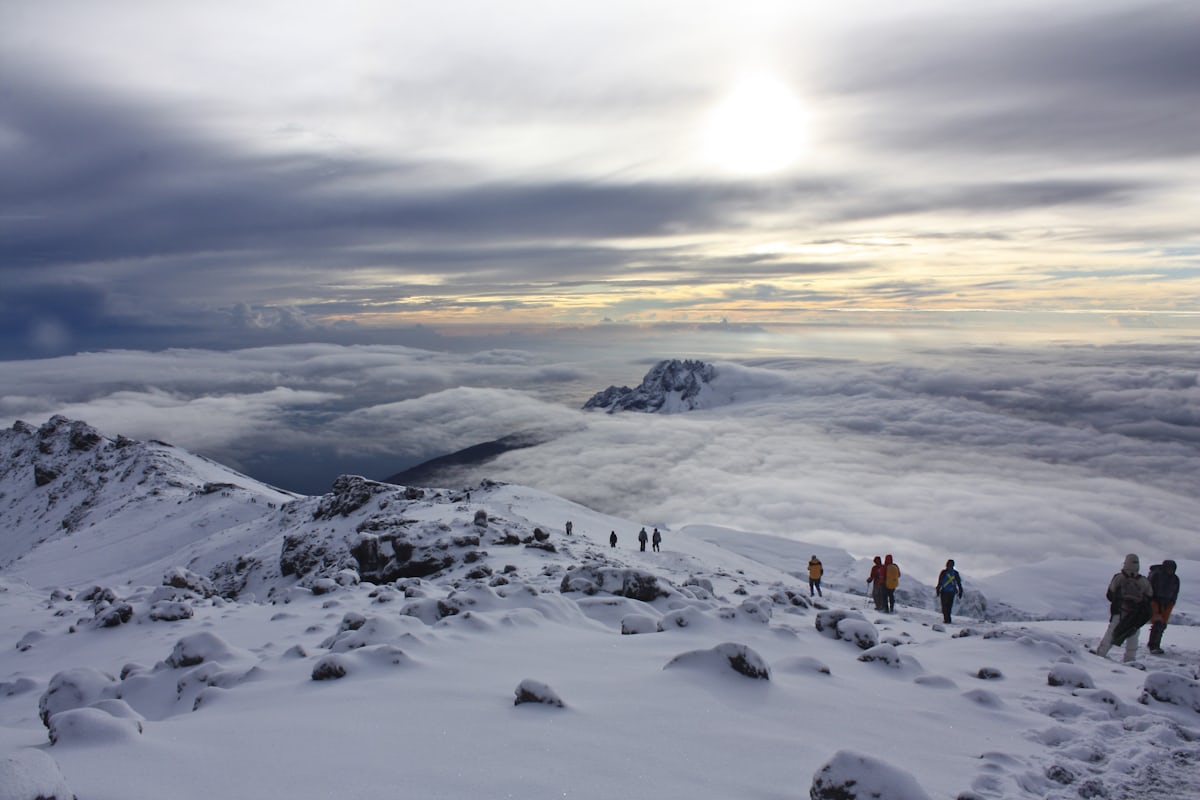
A Kilimanjaro climb is a significant investment. The cost typically ranges from $1,800 to over $2,500 per person, depending on the tour operator, route, and duration.
Breakdown of Costs: Park Fees, Staff, and More
Several components make up the total cost of the climb:
Kilimanjaro National Park Fees: These are set by the Tanzanian government and are non-negotiable. They include conservation fees, camping/hut fees, and rescue fees, often totaling around $1,000 per climber for a 7-day trip. These mandatory park fees are a significant portion of the overall price.
Staff Wages: Your support team of guides, cooks, and porters must be paid a fair wage. Ethical operators factor this into their pricing.
Logistics: Costs include transportation to and from the mountain (often from Kilimanjaro International Airport), food, and equipment.
Tips: Tipping your mountain crew is a deeply ingrained custom and an essential part of their income. Budget an additional $250-$350 for tips.
Choosing Reputable Kilimanjaro Tour Operators
While budget operators may offer climbs for under $1,500, these low prices often come at a high cost - poor safety standards, unethical treatment of porters, and low-quality equipment. A reputable tour operator will not cut corners on safety or staff welfare.
When selecting from the many Kilimanjaro tour operators, look for companies with excellent safety records, transparent pricing, and a commitment to responsible tourism.
The Vital Role of Your Mountain Crew
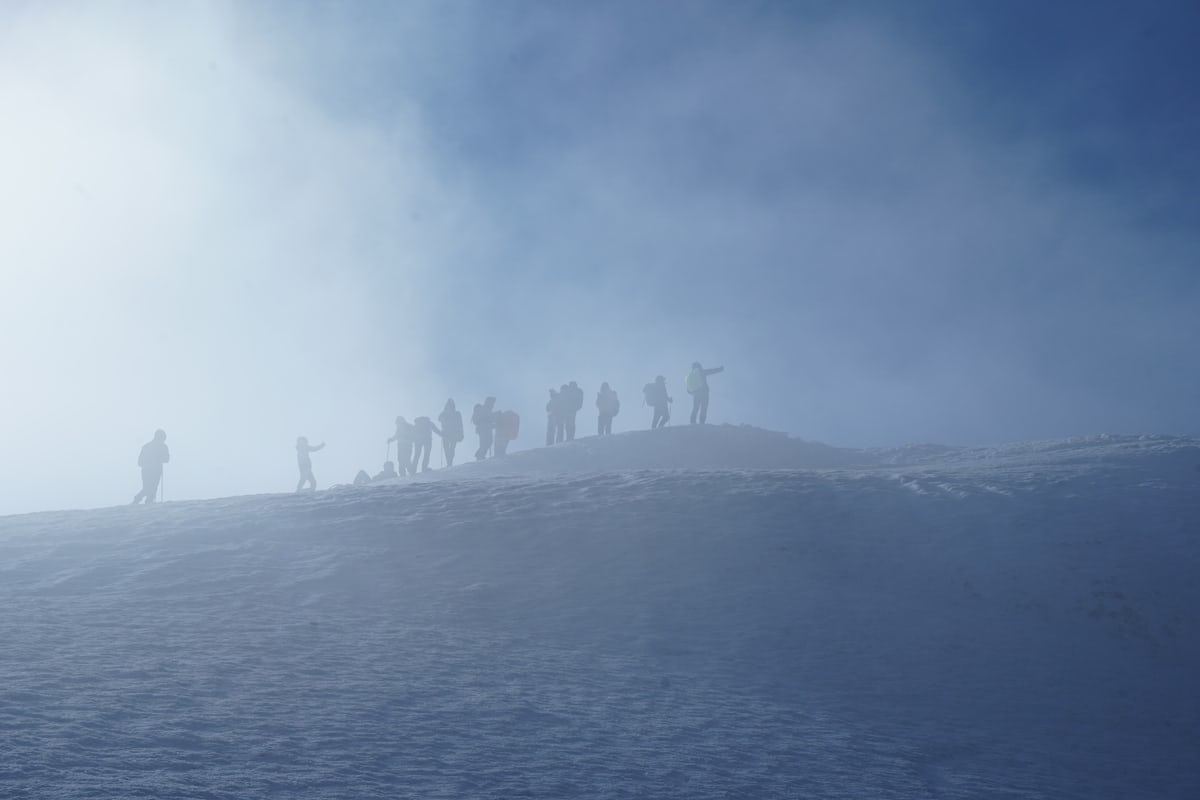
Your guides and porters are the unsung heroes of your Kilimanjaro climb. Their expertise, strength, and support are indispensable for a safe and successful trek.
Why Local Guides are Mandatory and Invaluable
It is mandatory to climb Kilimanjaro with a licensed guide. These local guides possess incredible knowledge of the mountain's trails, weather patterns, and ecosystems. Crucially, they are trained to recognize and manage altitude sickness. Many are medically trained in wilderness first aid, and their ability to make critical decisions at high altitude is vital for your safety.
The Backbone of the Climb: Your Porters
Porters are the backbone of every Kilimanjaro expedition. They carry all the necessary camping equipment, food, and your personal duffel bag, allowing you to focus on the tough challenge of hiking. Their hard work makes the entire trip possible. Supporting ethical Kilimanjaro tour operators who are members of the Kilimanjaro Porters Assistance Project (KPAP) ensures that your porters are treated and paid fairly, contributing to a sustainable tourism economy.
Beyond the Trek: Cultural Encounters on Kilimanjaro Tours
Climbing Kilimanjaro offers more than just a physical challenge; it provides a unique opportunity for rich cultural encounters that will deepen your appreciation for Tanzania.
Many Kilimanjaro tours offer extensions that allow you to explore the local culture. Engaging with your local guides and porters provides incredible insight into their lives and traditions, often leading to a strong sense of camaraderie. You can also learn about the customs of the Chagga people who inhabit the foothills of the mountain.
Some Kilimanjaro trips include visits to nearby Maasai villages, offering a chance to understand their unique way of life. These cultural interactions make your unforgettable adventure in East Africa even more meaningful, connecting you to the heart and soul of the region.
The Scenery and Wildlife of Kilimanjaro National Park
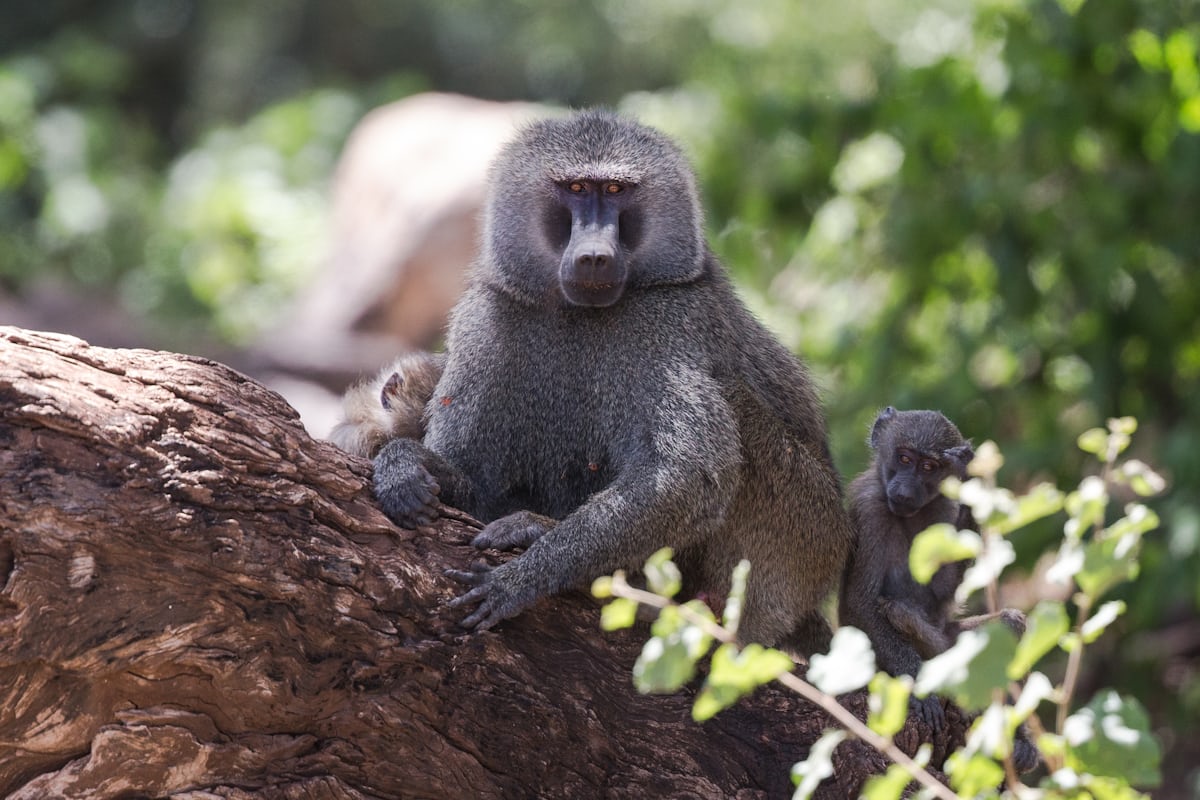
Established in 1973, Kilimanjaro National Park is a UNESCO World Heritage Site renowned for its rich biodiversity. As you climb, you will journey through five distinct climatic zones, each with its own unique flora and fauna.
The lower slopes are covered in lush montane rainforest, where you might spot colobus monkeys, blue monkeys, and a variety of bird species. As you ascend, the forest gives way to the heath and moorland zone, characterized by giant heathers and senecios.
The Machame Route and Lemosho Route are particularly celebrated for their scenic beauty. Higher up, you enter the surreal alpine desert before reaching the arctic zone at the summit of Kilimanjaro.
The glaciers on Kilimanjaro are rapidly receding due to climate change, making the chance to witness this icy crown a poignant and powerful experience. This protected national park ensures the preservation of this incredible landscape.
Safety First: A Guide to a Secure Climb Mount Kilimanjaro Experience
Safety should always be your top priority when you climb Mount Kilimanjaro. While thousands of people summit safely each year, the mountain presents real risks that must be respected.
The primary danger is severe altitude sickness. If you or a member of your group shows signs of serious AMS, such as confusion or loss of coordination, immediate descent is critical. Reputable tour operators carry emergency oxygen and have clear evacuation protocols.
The mountain's remoteness and rapidly changing weather add to the complexity, which is why having experienced, medically trained guides is essential. While fatalities are rare (approximately 10 deaths per year, primarily from AMS), they underscore the importance of proper preparation, acclimatization, and choosing a reliable tour operator.
Fueling Your Ascent: Food and Water on the Mountain
Proper nutrition and hydration are vital for maintaining your energy levels and aiding acclimatization during your Kilimanjaro climb. Your mountain crew will prepare three substantial meals each day, designed to be high in carbohydrates for sustained energy.
Dietary restrictions and preferences can almost always be accommodated with advance notice. Meals often include soups, stews, pasta, rice, and fresh vegetables. In addition to main meals, it's wise to carry your own snacks like energy bars, nuts, and dried fruit to fuel yourself between stops. Hydration is equally important; you must drink at least 3-4 liters of water daily to help combat altitude sickness.
Accommodation on Kilimanjaro: Huts vs. Tents
Your accommodation on the mountain will depend on your chosen Kilimanjaro route. Most routes involve camping in high-quality mountain tents, which are shared by two people unless you request a single tent for an extra fee.
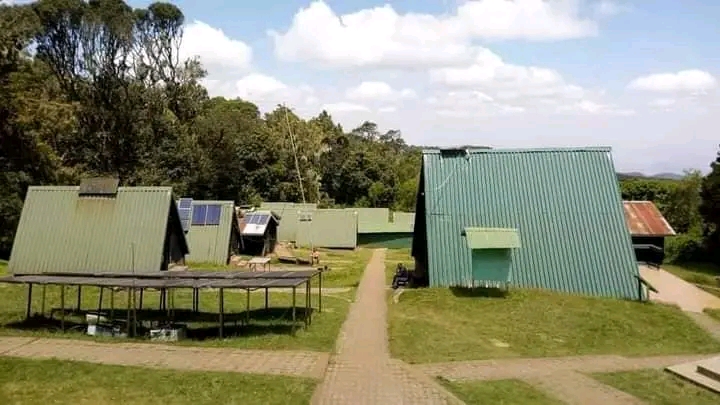
The Marangu Route is the only one that offers shared A-frame hut accommodations. While this may seem more comfortable, the huts are basic and can be crowded, and this route's poor acclimatization profile makes it a less-recommended choice.
On camping routes, your porters will set up the tents each day, including a communal mess tent for meals. Regardless of the accommodation, be prepared for cold nights with the right sleeping bag and camping equipment.
Responsible Trekking: Environmental Considerations
Preserving the pristine environment of Mount Kilimanjaro is a collective responsibility. Responsible tourism practices are essential to ensure this iconic mountain remains beautiful for future generations.
The "Leave No Trace" principle is paramount. This means packing out everything you pack in, staying on designated trails, and respecting wildlife. Effective waste management is crucial, and good Kilimanjaro tour operators will manage all waste responsibly. Many are also adopting renewable energy sources like solar power for lighting in camps and using water conservation techniques.
By choosing an eco-conscious operator and adhering to these principles, every climber can contribute to the long-term health of the Kilimanjaro National Park ecosystem.
Reaching the Summit: Uhuru Peak
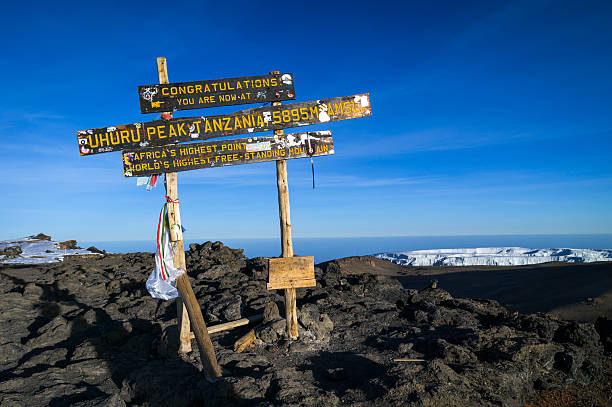
The final push to Uhuru Peak is the most challenging yet rewarding part of your entire Kilimanjaro journey. The ascent begins around midnight, a strategic timing that allows climbers to trek on frozen scree and reach the summit for a spectacular sunrise.
Navigating the steep switchbacks in the dark with only the light from your head torch requires immense physical and mental resilience. As you reach Stella Point on the crater rim, the first rays of sun will illuminate the vast African plains below. From there, it's a final, triumphant push to Uhuru Peak, the true summit of Mount Kilimanjaro.
Standing at 5,895 meters, the feeling of accomplishment is overwhelming. This moment, standing on the roof of Africa, is the culmination of your hard work and an experience that will stay with you forever.
Summary: Your Unforgettable Adventure Awaits
Climbing Kilimanjaro is a journey that tests your limits but rewards you with unparalleled experiences and memories. From understanding the highest mountain in Africa and choosing the right time to climb, to meticulous physical preparation, gear selection, and cultural encounters, every step is a vital part of the adventure.
The Mount Kilimanjaro climb is more than just a trek; it's a profound experience that challenges and changes you.
Whether you are drawn by the physical tough challenge, the stunning landscapes, or the rich culture of East Africa, reaching the summit of Uhuru Peak is an achievement that will inspire you for years to come. Embrace the journey, prepare well with this beginner's guide, and savor every moment of this truly unforgettable adventure.
Frequently Asked Questions (FAQs) for a Beginner's Guide to Climbing Kilimanjaro
What is the best time of year for climbing Kilimanjaro?
The best time for a Kilimanjaro climb is during the dry seasons: from December to mid-March and from late June to October. These periods offer the most stable weather, increasing your chances of a successful and enjoyable trip.
How long does it take to climb Kilimanjaro?
It typically takes between 5 to 9 days. To maximize your chances of success and properly acclimatize to the high altitude, an 8 or 9-day trek is highly recommended. A longer trip dramatically increases success rates.
What are the symptoms of altitude sickness, and how can it be prevented?
Symptoms of altitude sickness include headaches, nausea, dizziness, and fatigue. It can be prevented by choosing a longer route for a gradual ascent, walking slowly ("pole, pole"), staying well-hydrated, and consulting a doctor about preventative medication like Diamox.
How much does it cost to climb Kilimanjaro?
The cost to climb Kilimanjaro generally ranges from $2,000 to $6,000. This price depends on the tour operator, the length of the route, and the level of service. Be wary of extremely cheap offers, as they may compromise safety and porter welfare.
What role do guides and porters play in the climb?
Guides and porters are essential for any Kilimanjaro climb. Licensed guides are mandatory and provide critical expertise on safety, weather, and altitude sickness. Porters carry your main gear and all camping equipment, making it possible for you to focus on the trek.
Is it possible to climb Mount Kilimanjaro without prior trekking experience?
Yes, it is possible for a beginner to climb Mount Kilimanjaro. However, significant physical preparation is required. A dedicated training program focusing on cardiovascular fitness and endurance hiking is essential for a successful Mount Kilimanjaro climb. Comparing it to other treks like Everest Base Camp, Kilimanjaro is considered a non-technical climb but its primary challenge is the high altitude.